Guide
What Actually Happens When We Show Up for a Service Call
A plain look at what happens when Arlington Garage Door Pros shows up: what we check, why 1980s-90s builds fail the way they do, and what drives the bill.
Local detail
Season by Season
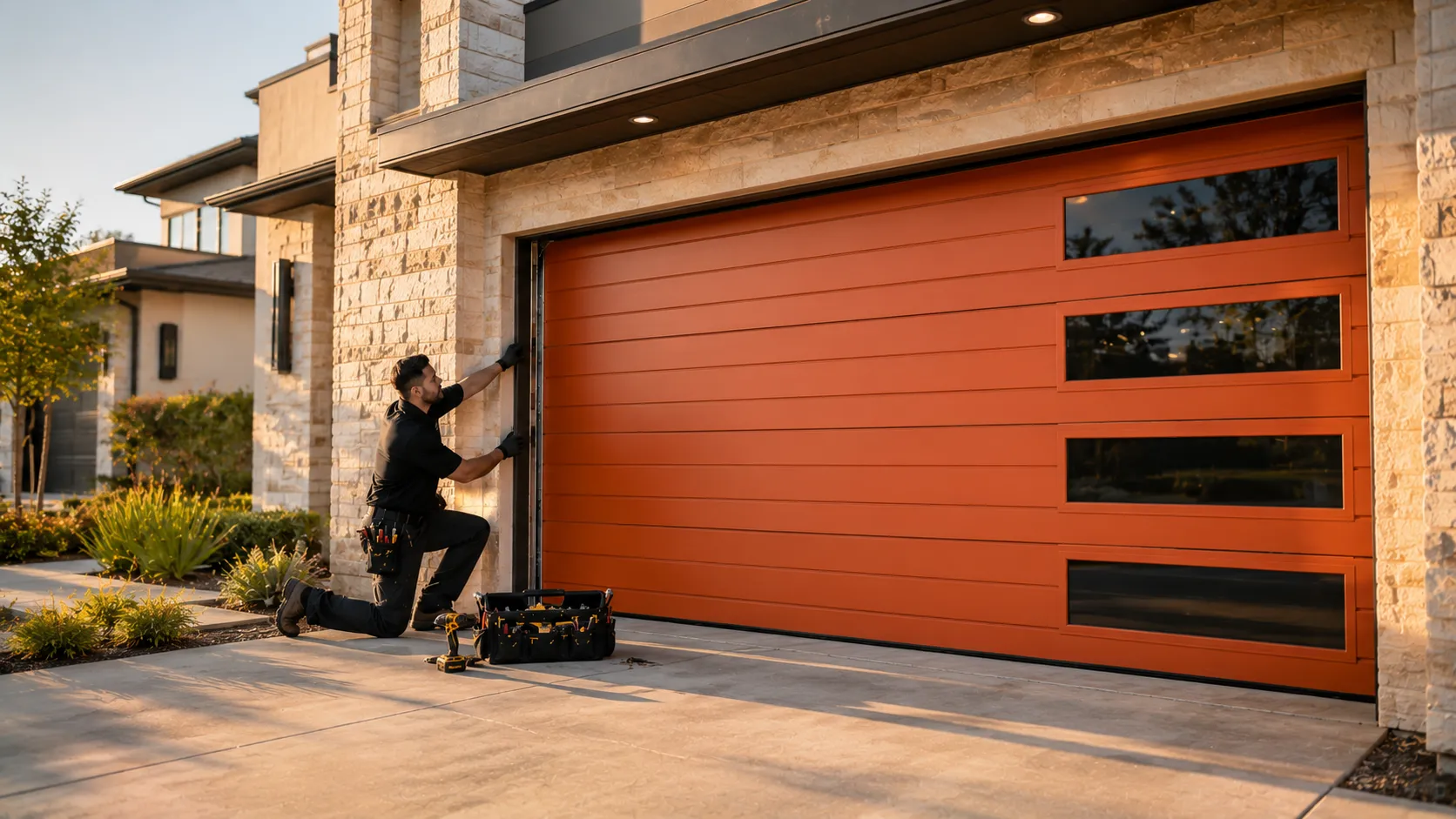
Arlington sits in a moderate-heat climate band, not a freeze-thaw one, so the calendar here doesn't run the way it does further north. We don't get the January cable-snap rush that cold-climate companies talk about. What we get instead is a steady grind from heat: long stretches of high temperatures that dry out lubricant, harden rubber weatherseal, and warp thin steel panels enough that rollers start binding in the track. Spring and fall are when people finally notice - the door that's been struggling all summer starts making the noise loud enough to call about.
Summer itself brings the openers that quit outright, usually because the heat has cooked the capacitor or the sensor wiring has gone brittle in a hot garage. We don't see much winter work here, and we won't invent some ice-storm story to make the page sound busier than it is. The real seasonal pattern is heat wearing things down slowly, then someone calling once a part finally gives.
The area
The Problem
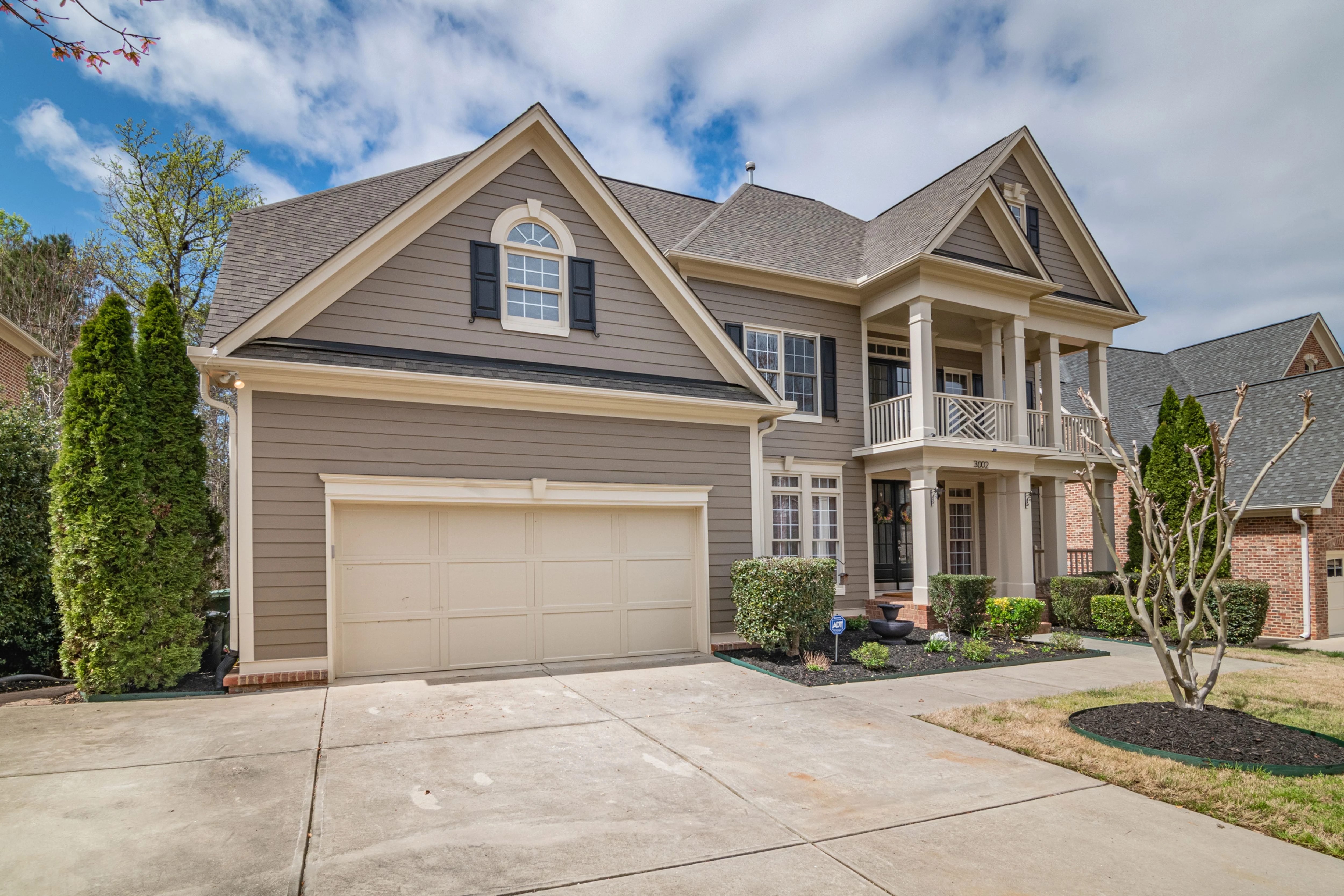
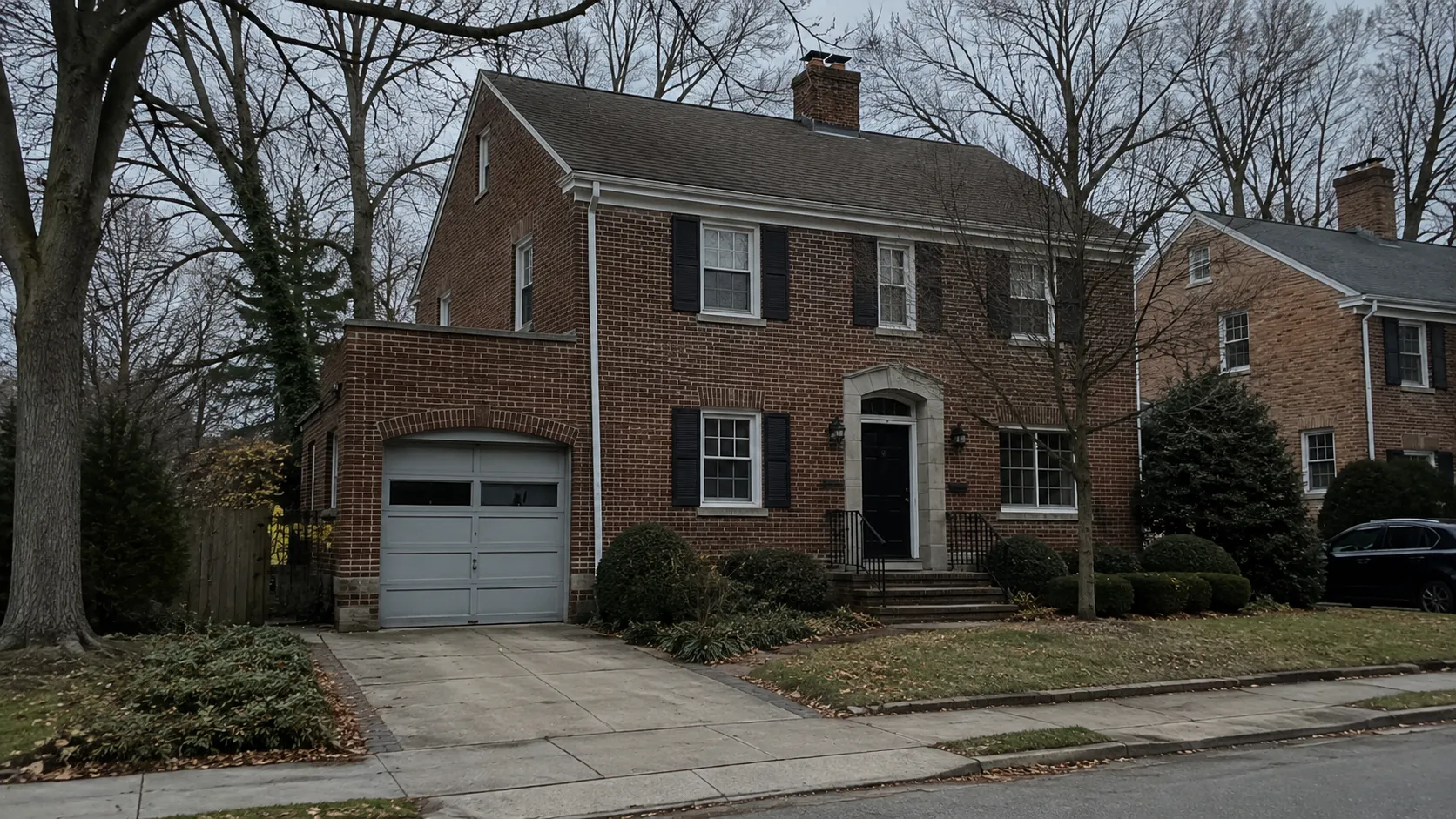
Housing across the service area was built mostly between 1953 and 2014, with a median build year of 1990, and the bulk of it - across all 22 named areas we cover, from Central Arlington out to Grand Prairie, Kennedale, and Forest Hill - went up in the 1980s and 90s. That matters because a door installed when a median local house was built is now well past the rated cycle count on its torsion springs, and the opener hardware from that era is a different generation than what's sold today. The problem we run into most isn't a mystery: it's original equipment aging out at the same time across whole streets, because whole streets went up in the same few years off the same builder plans.
A spring that lets go on one house in a 1990-era subdivision is often the same spring, at the same age, waiting to let go two doors down. We open the panel expecting to find what a production-era garage actually has, not what a showroom demo has.
What we find
What You Pay
We don't publish a flat number here because what drives the bill is what's actually wrong, not a menu price. A torsion spring swap costs less than an opener replacement, and either one costs less than replacing a warped panel on a door old enough that the manufacturer doesn't stock matching sections anymore - which, given how much of this area's housing dates to the 1980s and 90s, comes up more than you'd think. What we can tell you honestly: the median household income across the service area is $84,552, and most of the work we quote sits well under what a full system replacement would run.
We'll tell you upfront if a repair isn't worth it - sometimes a door old enough and worn enough that patching it just delays the same call six months out. That's the one limitation worth saying plainly: we don't chase a repair on a door that's better off replaced.
How we work
What the Weather Here Does to It
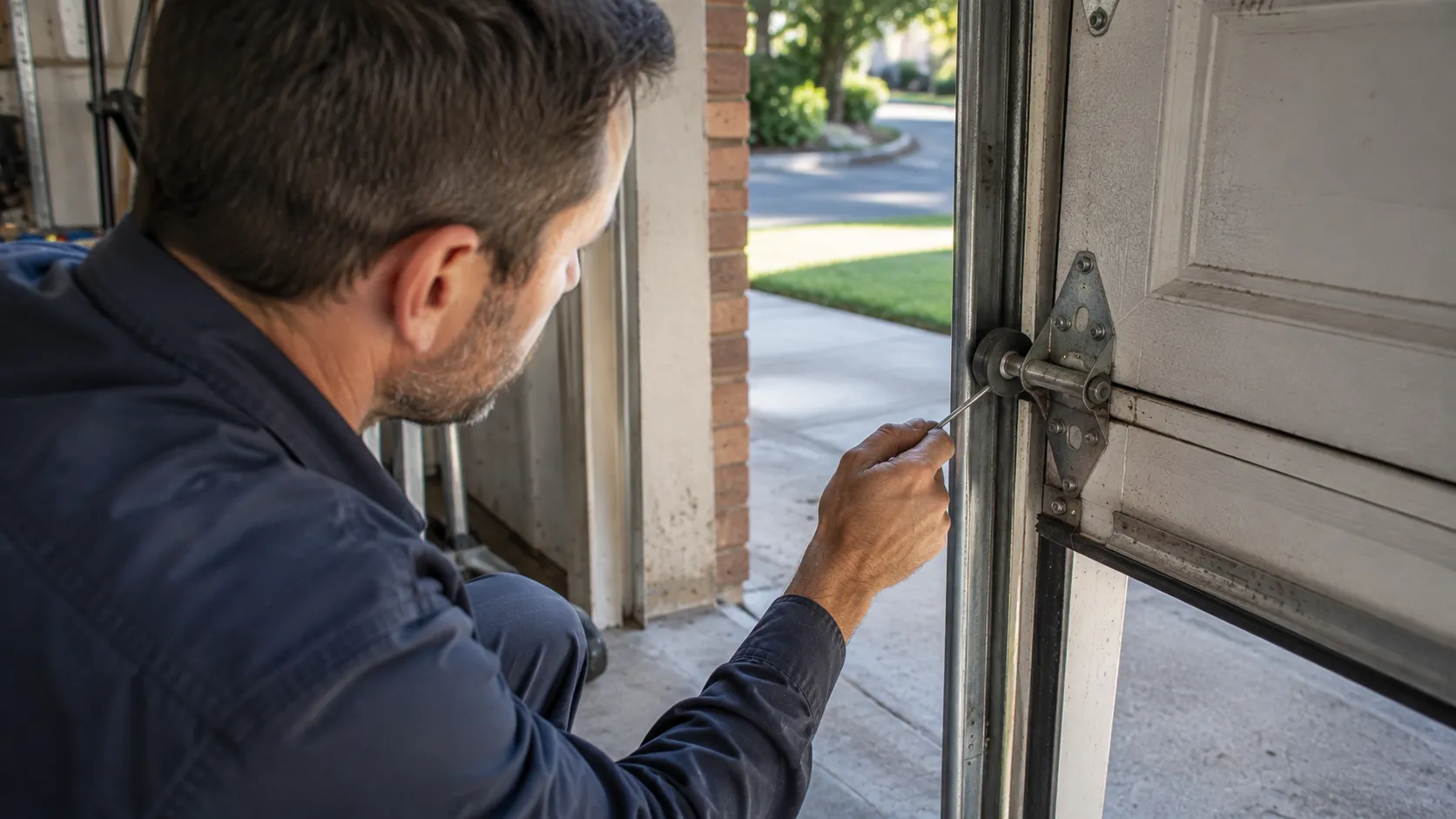
Heat is the thing doing the damage in this climate band, and it does it in ways that aren't dramatic until they are. Nylon rollers get brittle and crack. Weatherstripping along the bottom panel shrinks and pulls away from the slab, letting hot air and dust into the garage. Grease on the torsion spring and the track thins out faster than it would in a cooler climate, so friction builds where there shouldn't be any, and the opener motor works harder to compensate - which is usually how a capacitor burns out early.
None of this is unique to any one house; it's what sustained heat does to steel, rubber, and lubricant over years, and across 97,142 owner-occupied houses in this service area, it's happening at roughly the same pace on homes built in the same stretch of decades. The fix is often small if it's caught early: reseal, relube, adjust. Caught late, it's a spring or a motor.
Questions
Common questions
Why does my garage door only act up in the summer?
Heat is the main stress this climate puts on a door. High temperatures dry out lubricant on the spring and track and make rubber seals brittle, so problems that built up slowly all season tend to surface once things get hot enough. It's wear, not a single event.
My house was built in the early 90s - is my door original?
A lot of houses in this area were built in the 1980s and 90s, and it's common for the original spring and opener to still be in place. Given typical spring cycle life, a door that old is usually due, even if it's still working.
Do you give a flat price over the phone?
No - the cost depends on what's actually broken, and we won't quote blind. A spring job and an opener replacement are priced differently, and a warped panel on an older door costs more again if matching sections aren't available.
Is it ever not worth repairing?
Yes. If a door is old enough that parts are hard to source and multiple systems are failing at once, patching one thing usually just delays the next call. We'll say so directly rather than keep billing for repairs on a door that's done.
Ready when you are
Need a garage door sorted in Arlington?
Arlington Garage Door Pros repairs and installs garage doors, springs and openers in Arlington, TX and the surrounding area.