Guide
What That Garage Door Noise Is Actually Telling You
Grinding, popping, or banging garage door in Arlington? Learn what each sound means for homes built 1953-2014, and when it's a $20 fix versus a real problem.
Local detail
Season by Season
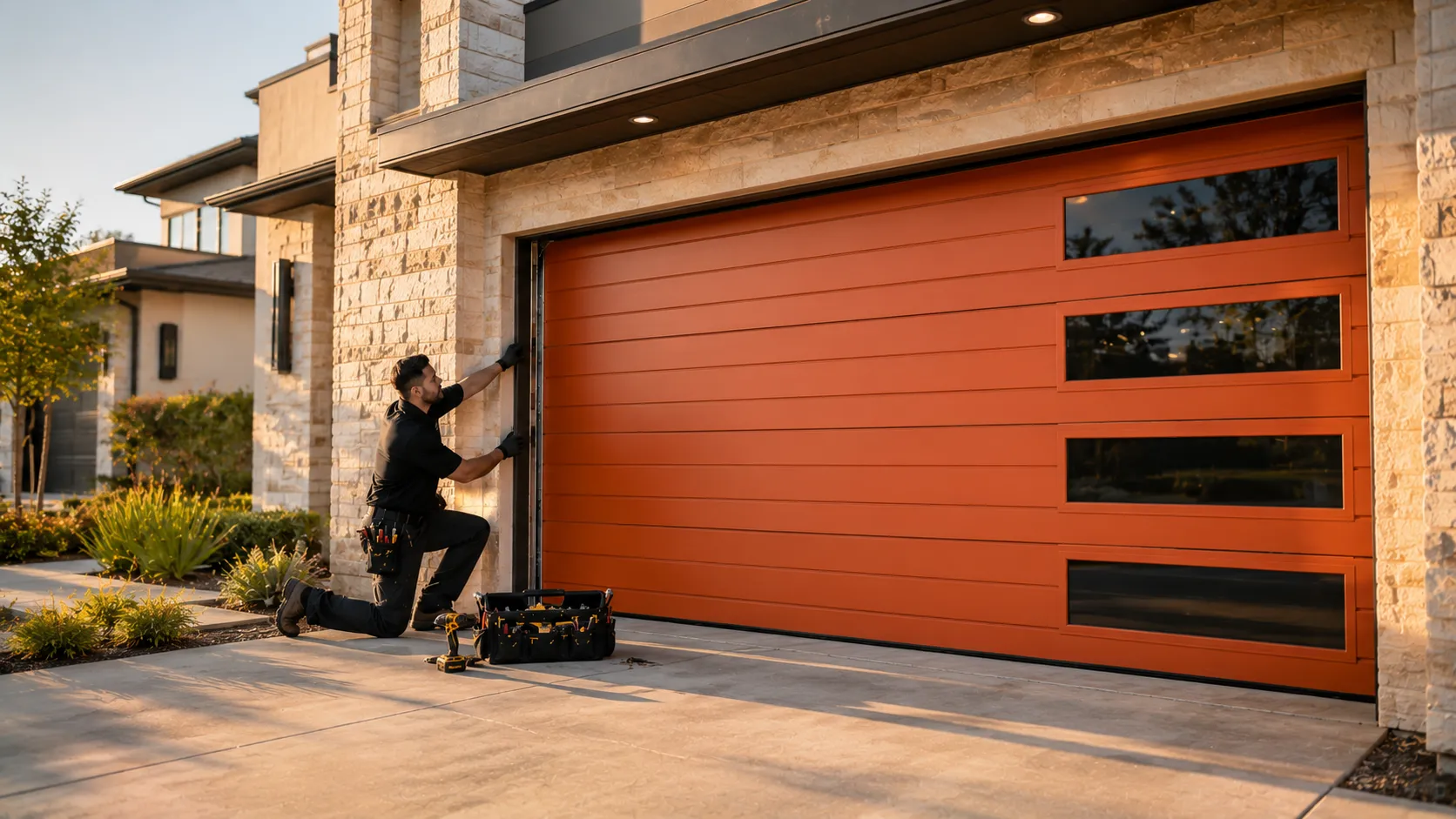
Arlington sits in a moderate heat band, not the kind of extreme swing that cracks concrete or boils grease overnight, but it's still enough to change how your door sounds through the year. In summer, metal tracks expand a few thousandths of an inch and rollers that were quiet in March start to squeak in July. That's usually harmless. What isn't harmless is a door that groans on the way up in any season, every time, at the same spot in the track - that's a bent section or a roller that's given up, not weather.
Winter here doesn't get cold enough to gel torsion spring lubricant the way it does further north, so if your door is noisy in January, don't blame the cold. Look at the spring itself. A spring that's been cycling for fifteen or twenty years on a house built in the 1980s or 90s doesn't care what season it is when it finally lets go. Most of the noise complaints we hear are really the same complaint at every time of year: the hardware is old and it's telling you before it breaks, not after.
The area
The Problem
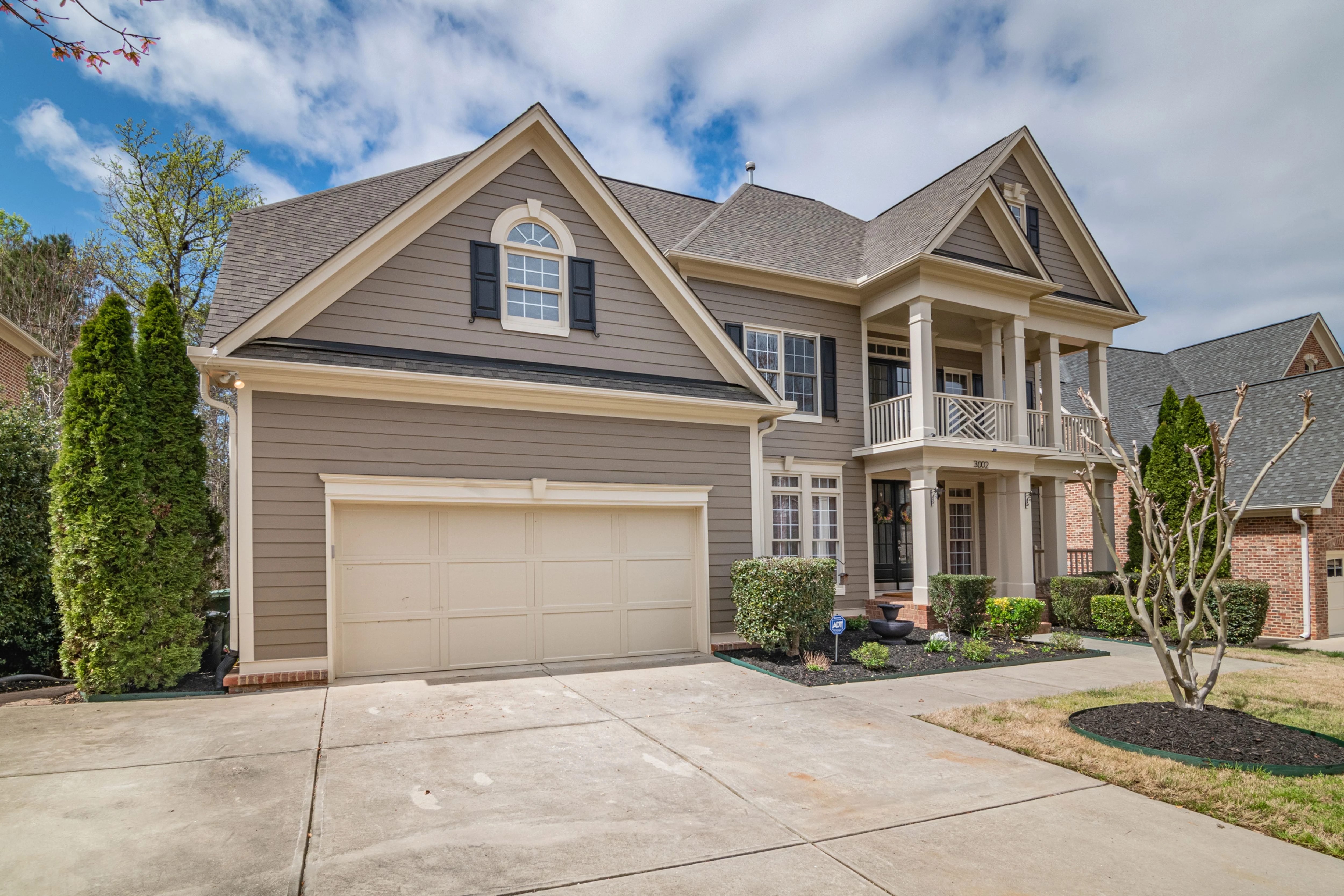
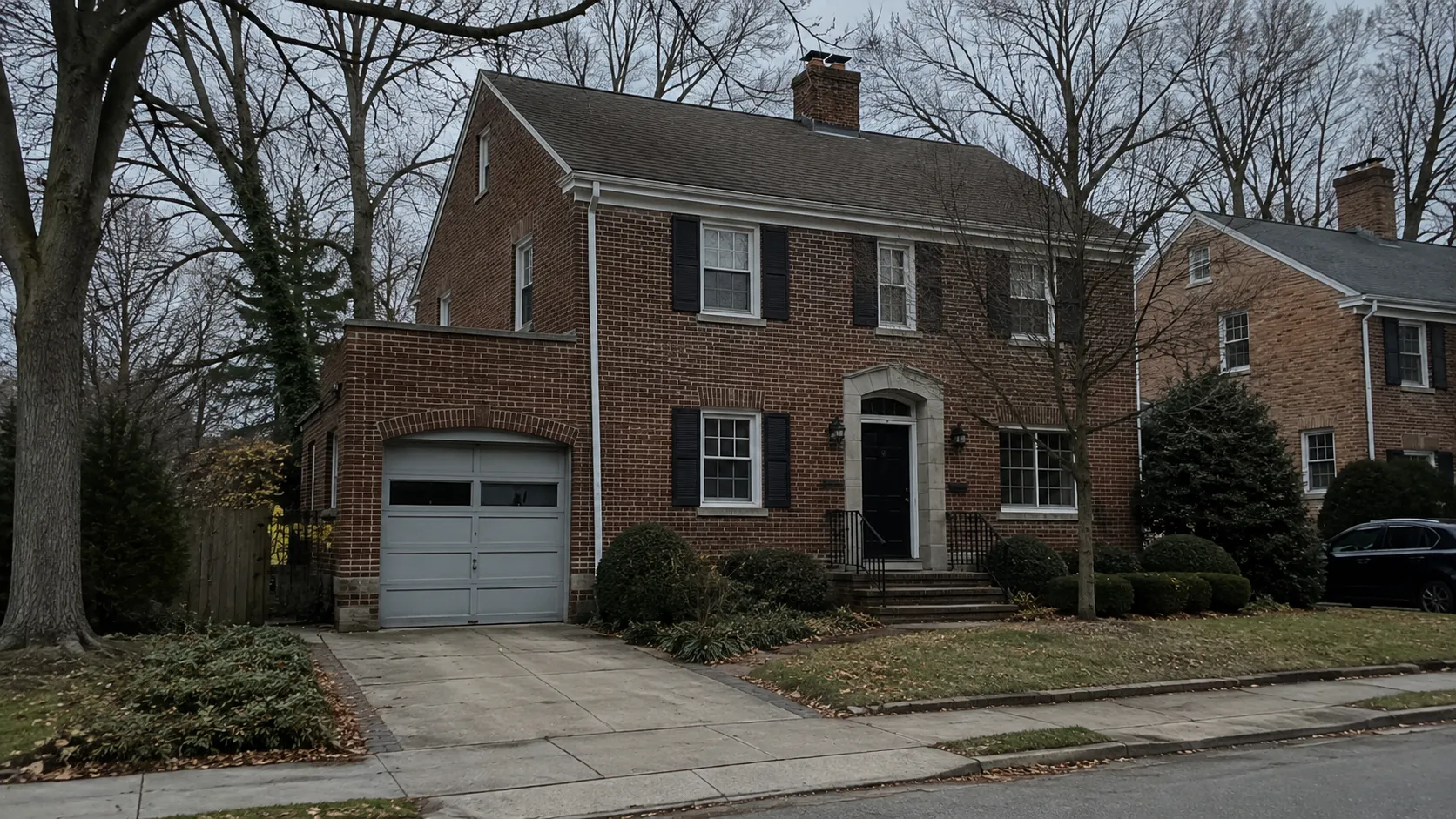
Housing across this service area was mostly built between 1953 and 2014, with the median landing around 1990, and the bulk of it concentrated in that 1980s-to-90s stretch across the named areas here - Central Arlington, East Arlington, Handley, and out toward Grand Prairie and Kennedale. That matters because a door doesn't get replaced on the same clock as a roof or a water heater. The opener chain and the torsion spring are often original to that build era, not to the current owner.
A grinding noise usually means a nylon gear inside a chain-drive opener has worn down to metal-on-metal - extremely common on units from that vintage. A sharp bang, once, followed by the door refusing to lift, is almost always a torsion spring snapping. A rhythmic thunk on the way down is usually a bad roller, not the spring or the opener at all. The trouble is homeowners often can't tell these apart by ear alone, and a door left running on a failing spring can pull an opener motor down with it, turning a $150 spring job into a $400 one.
What we find
What You Pay
We don't have a flat number to hand you here, because what a noisy door costs to fix depends on which part is actually failing, and that's the honest answer whether you're in Central Arlington or out near Rendon. A roller swap is a different job than a spring replacement, which is a different job than an opener gear kit, and guessing at a price before we've heard the door in person is how a shop ends up charging you for a repair you didn't need.
What we can tell you is that median household income across this area runs around $84,552, and most of the roughly 97,142 owner-occupied houses here are carrying original or near-original hardware from that 1980s-90s building wave. That's the population we size our stock and our schedule around - parts for chain-drive openers and standard torsion springs from that era, not the newer belt-drive units you'd find in a house built last year. If your door is making a noise, the honest move is to get it looked at before it fails at the top of a lift, which is the expensive way to find out what was wrong.
How we work
What the Weather Here Does to It
Arlington's climate band is moderate on heat, which means we're spared the worst of what full desert heat does to garage door hardware - no daily 110-degree swings baking the lubricant out of a spring coil. But moderate isn't nothing. Summer heat still expands steel tracks and door panels enough to change clearances by a hair, and that hair is often the difference between a silent roller and a squeaking one.
The bigger factor isn't the weather event, it's the math of age. A door installed when a house went up in, say, 1985 has now gone through roughly forty summers of that expansion-and-contraction cycle, whether the noise showed up early or late. Steel fatigues on a schedule set by cycles, not by any one hot day. So when a homeowner in this area calls about a new noise, the first question we ask isn't about the weather last week - it's how old the door is, because in a service area built mostly in the 1980s and 90s, that number tells us more than the forecast does.
Questions
Common questions
My garage door squeaks only in the summer, is that a real problem?
Usually not on its own. Moderate summer heat here causes tracks and rollers to expand slightly, which can bring out a squeak that wasn't there in cooler months. If it's just a squeak and the door still opens and closes at a normal speed, a roller lubrication job usually clears it. If it's paired with a grinding or grabbing feel, get it checked.
What does a loud bang from the garage mean?
A single loud bang, followed by the door being hard or impossible to lift, is almost always a torsion spring snapping. This is common on doors original to houses built in the 1980s-90s wave across this area, since springs have a cycle life and eventually just go. Don't try to force the door open - call it in.
Is a grinding noise the opener or the door itself?
Grinding is most often the opener, specifically a worn nylon gear inside a chain-drive unit grinding against metal. This is one of the most common calls we get from houses with original 1980s-90s hardware. A gear kit replacement is usually far cheaper than a full opener swap.
Ready when you are
Need a garage door sorted in Arlington?
Arlington Garage Door Pros repairs and installs garage doors, springs and openers in Arlington, TX and the surrounding area.