1980s–90s Torsion Systems
Much of the local housing stock uses torsion systems that have now accumulated decades of regular opening and closing, putting them near the end of their rated life.
Local garage door service · Arlington, TX
Garage door repair and installation for Arlington homes spanning 1953 through 2014, covering emergency service, commercial garage doors, off-track repair, opener installation, roller replacement, and the residential systems common across the area's 1980s- and 90s-heavy housing stock.
Garage door services
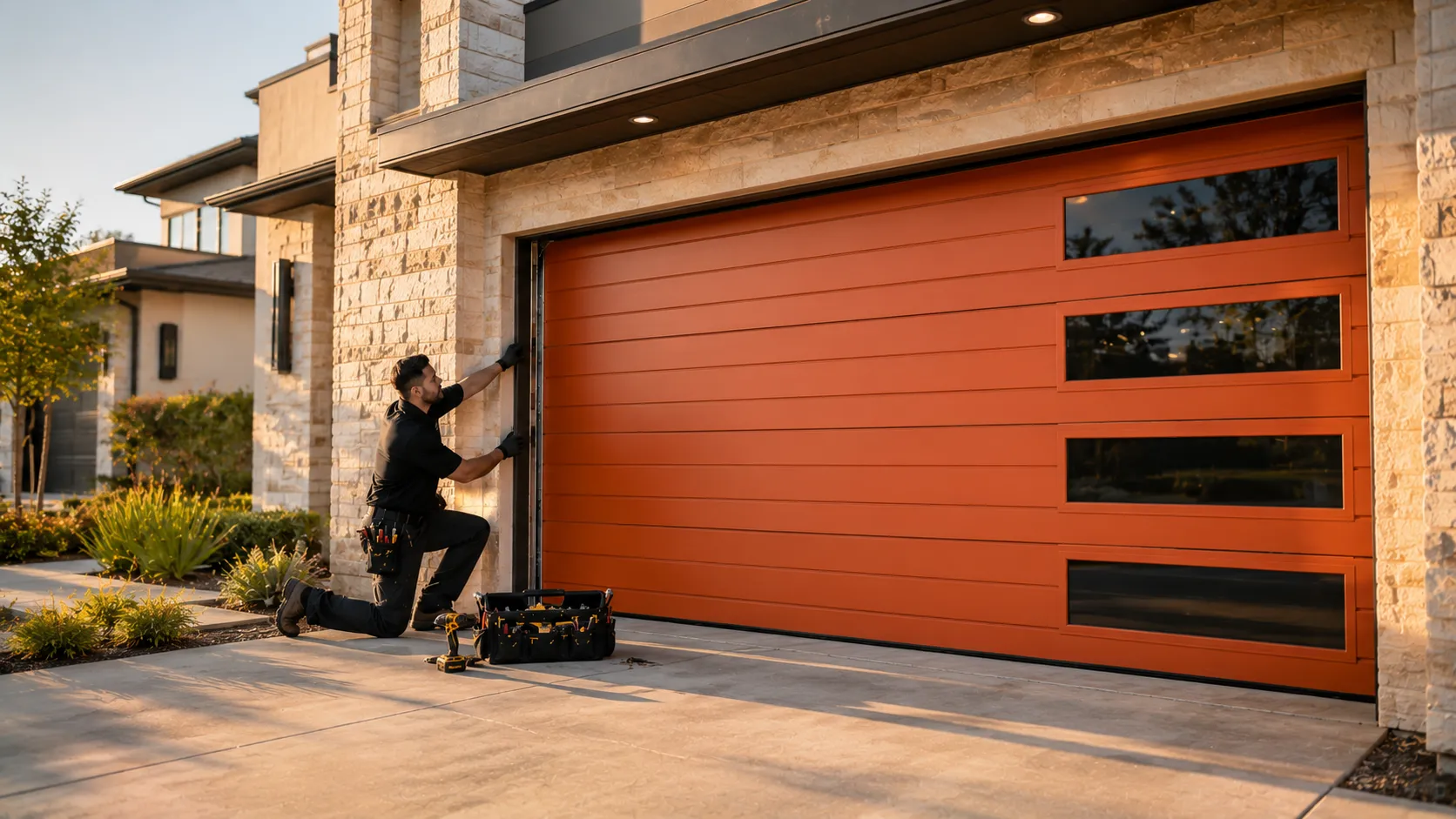
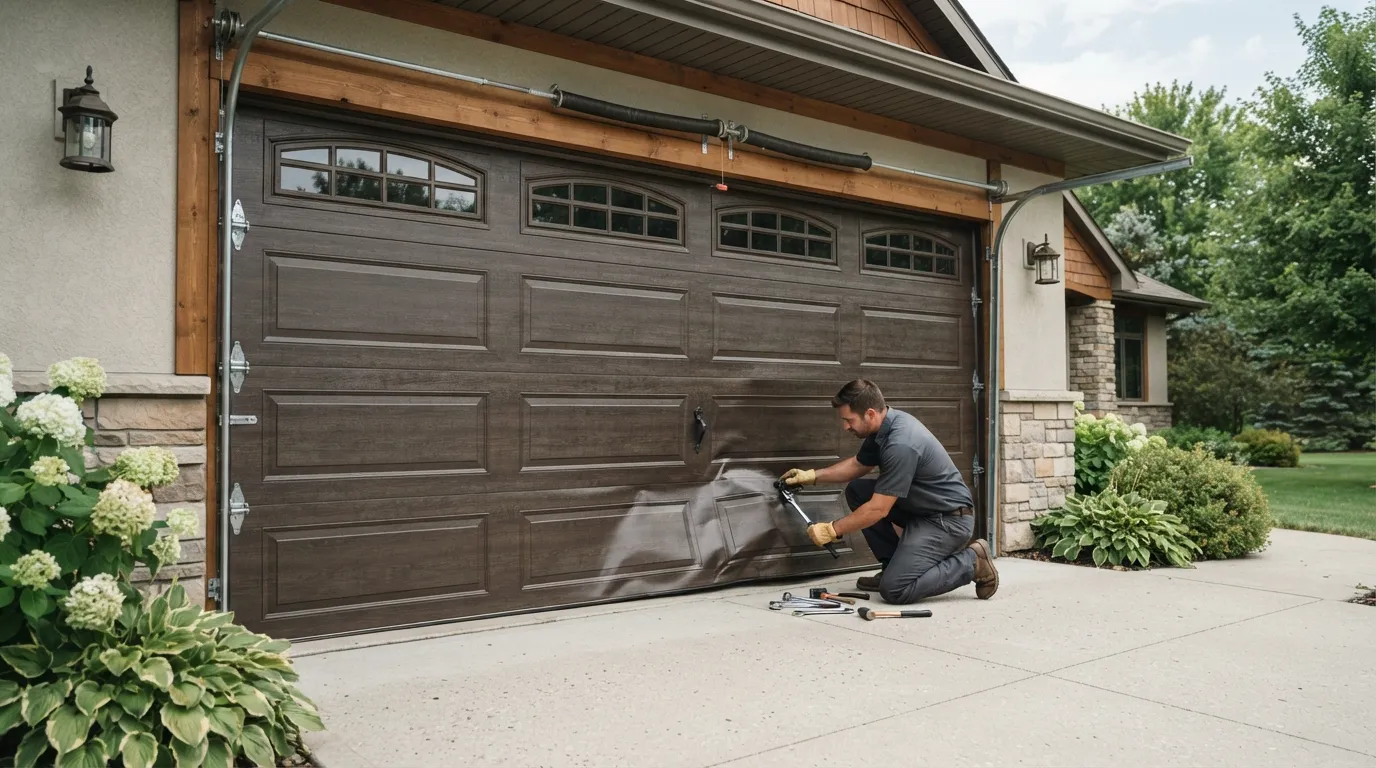
From emergency repair and commercial garage doors to installation, off-track repair, opener installation, roller replacement, and general service, the lineup is built around the systems found across Arlington's mixed 1950s-through-2010s housing stock.
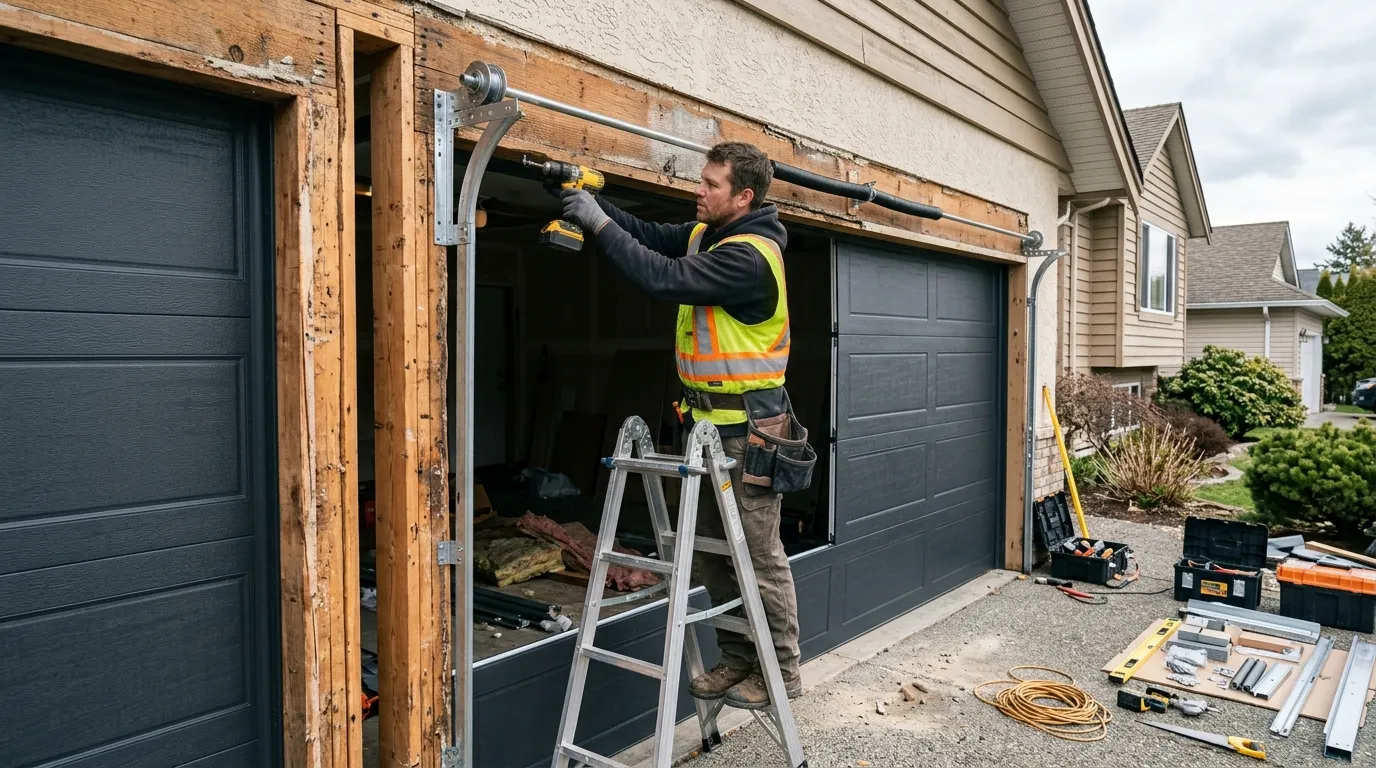
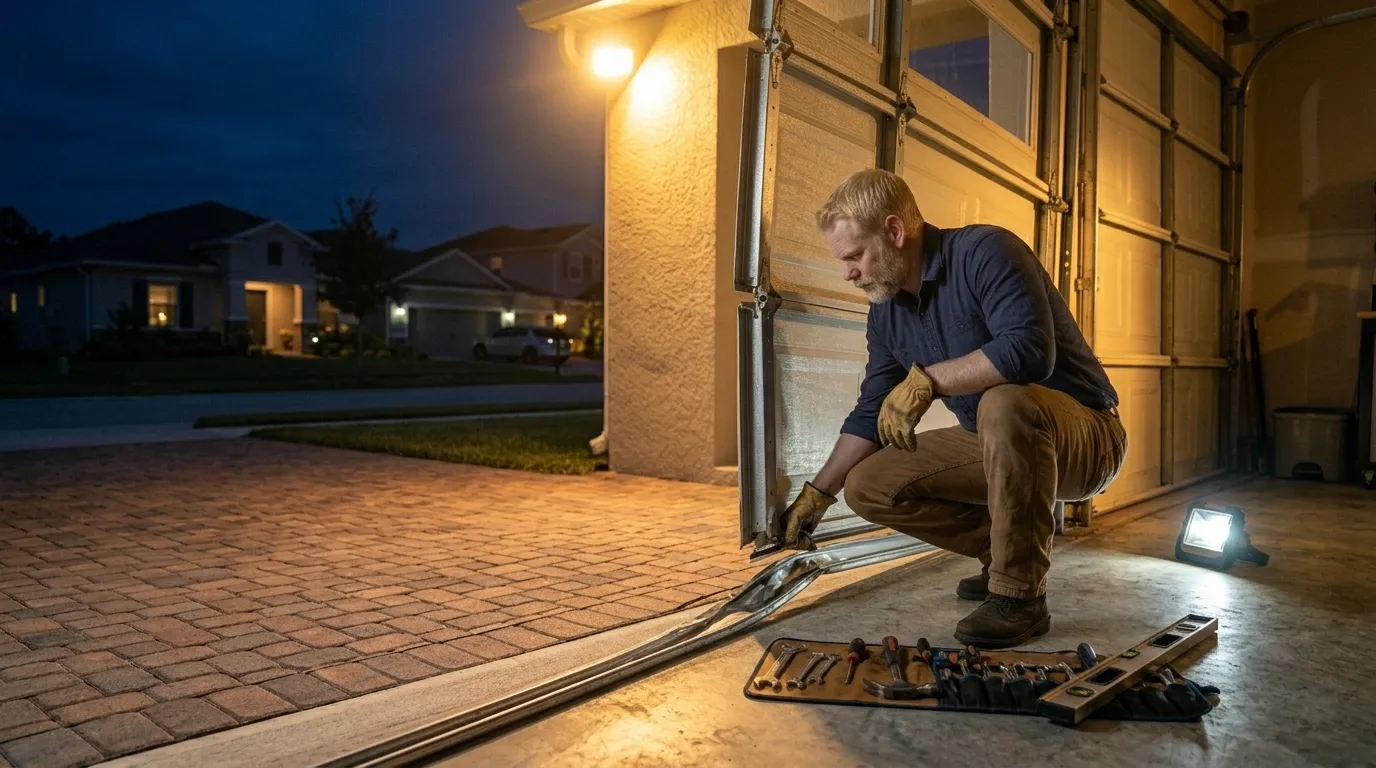
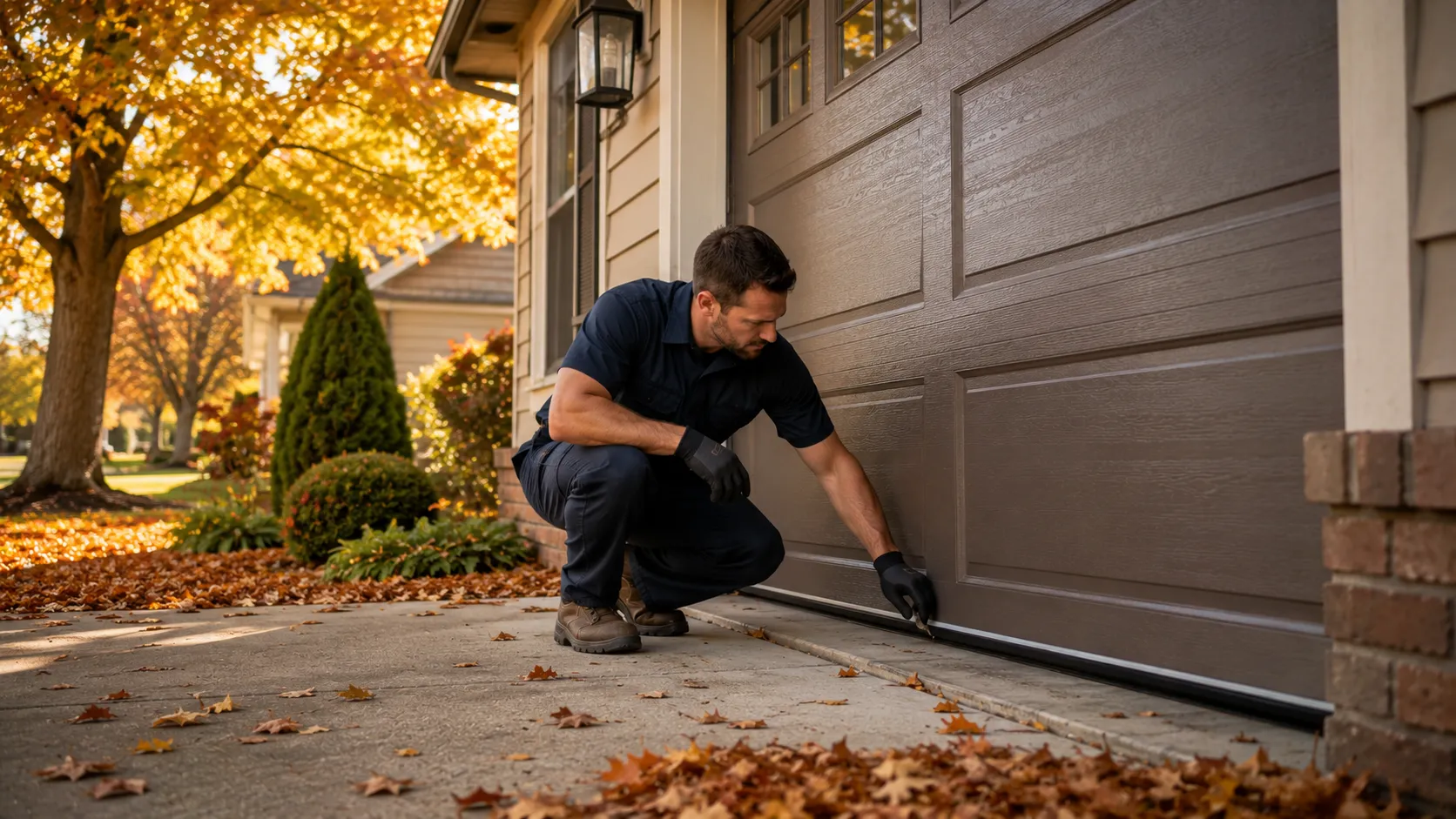
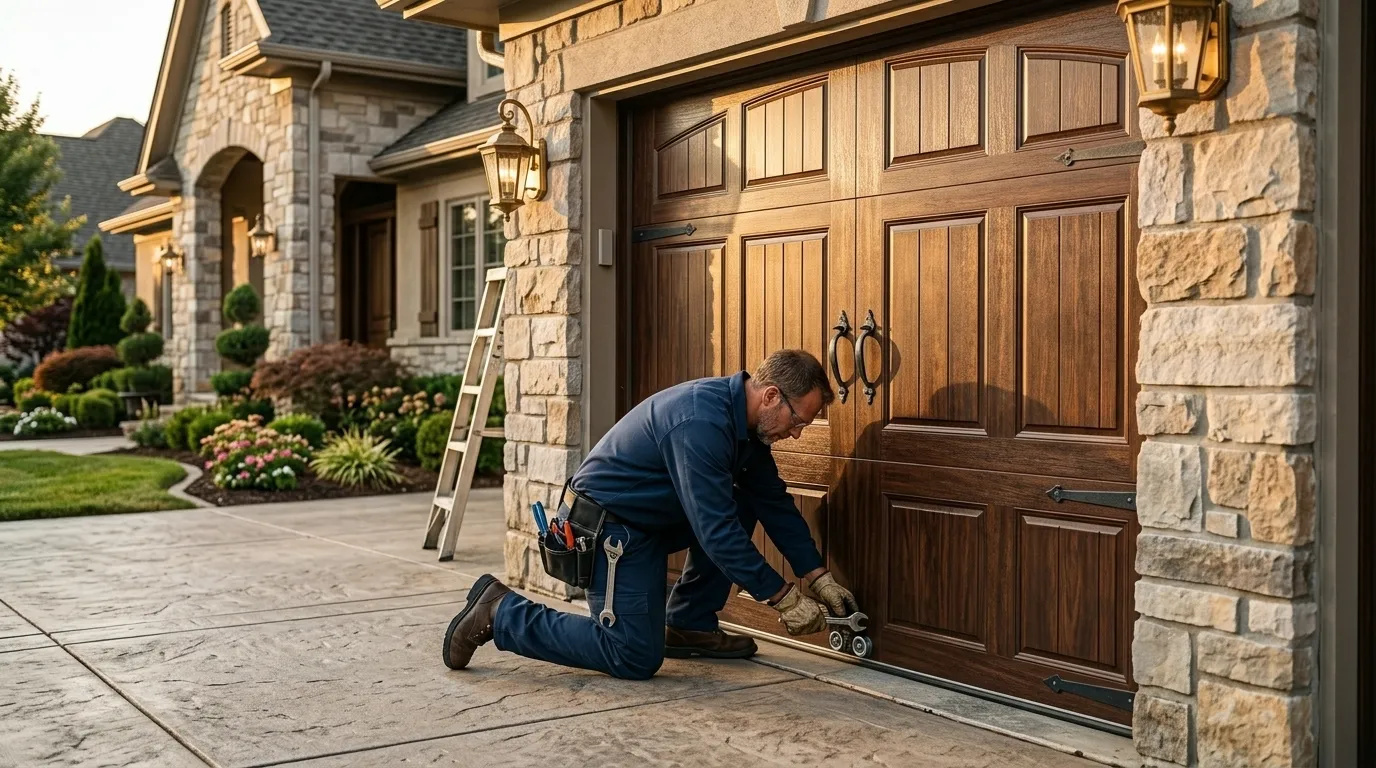
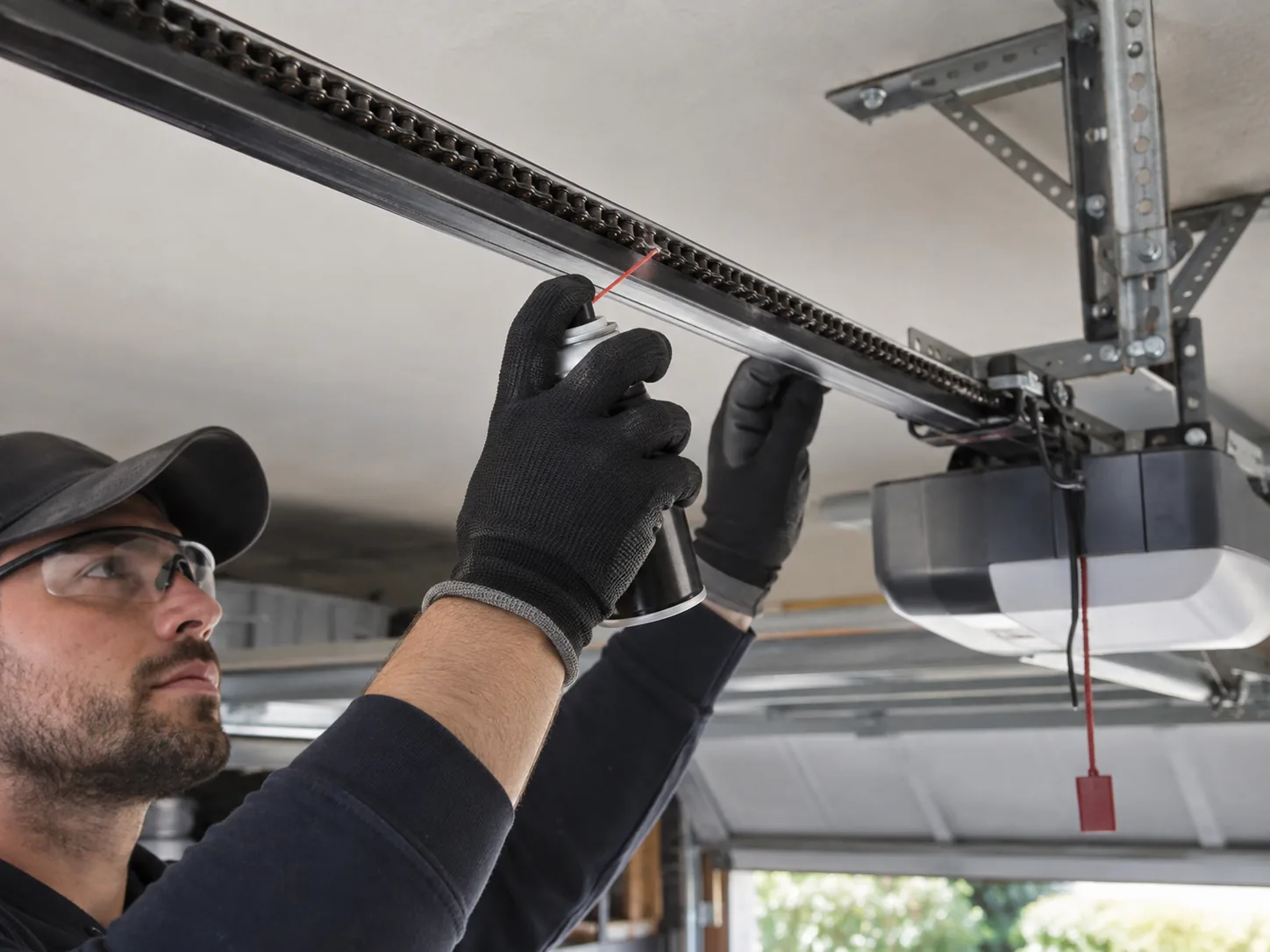
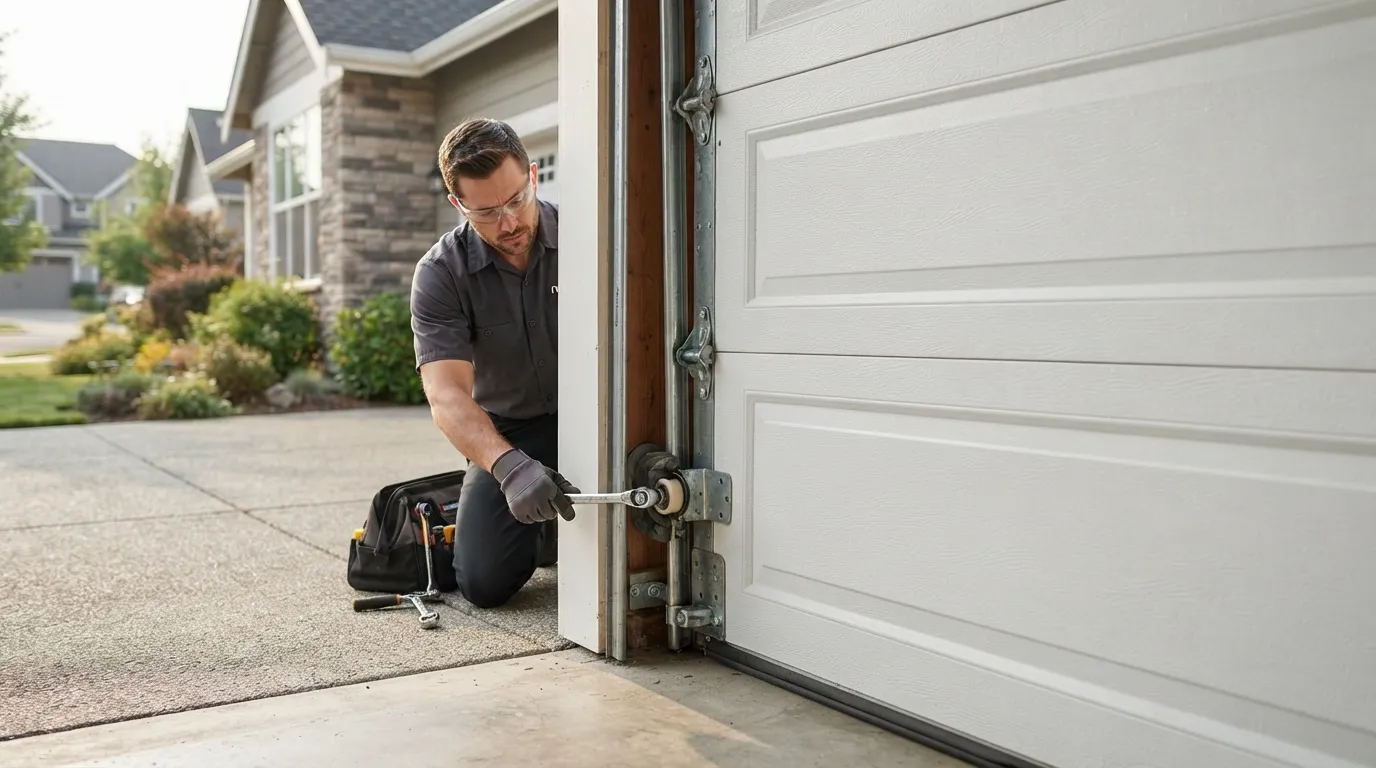
Clear repair guidance
There isn't a flat phone price, because Arlington's housing spans several generations of garage door hardware.
A spring repair on a door from the 1980s can require different parts from a newer insulated door built decades later.
Spring-system age, opener type, panel condition, track condition, and parts availability can all change the repair scope.
Median household income across the broader source service area is approximately $84,552.
We explain what is actually wrong before work begins and say when replacement makes more practical sense than continuing to repair an aging system.
Local housing matters
The broader source service area spans homes built from 1953 through 2014, with much of the housing concentrated in the 1980s and 90s.
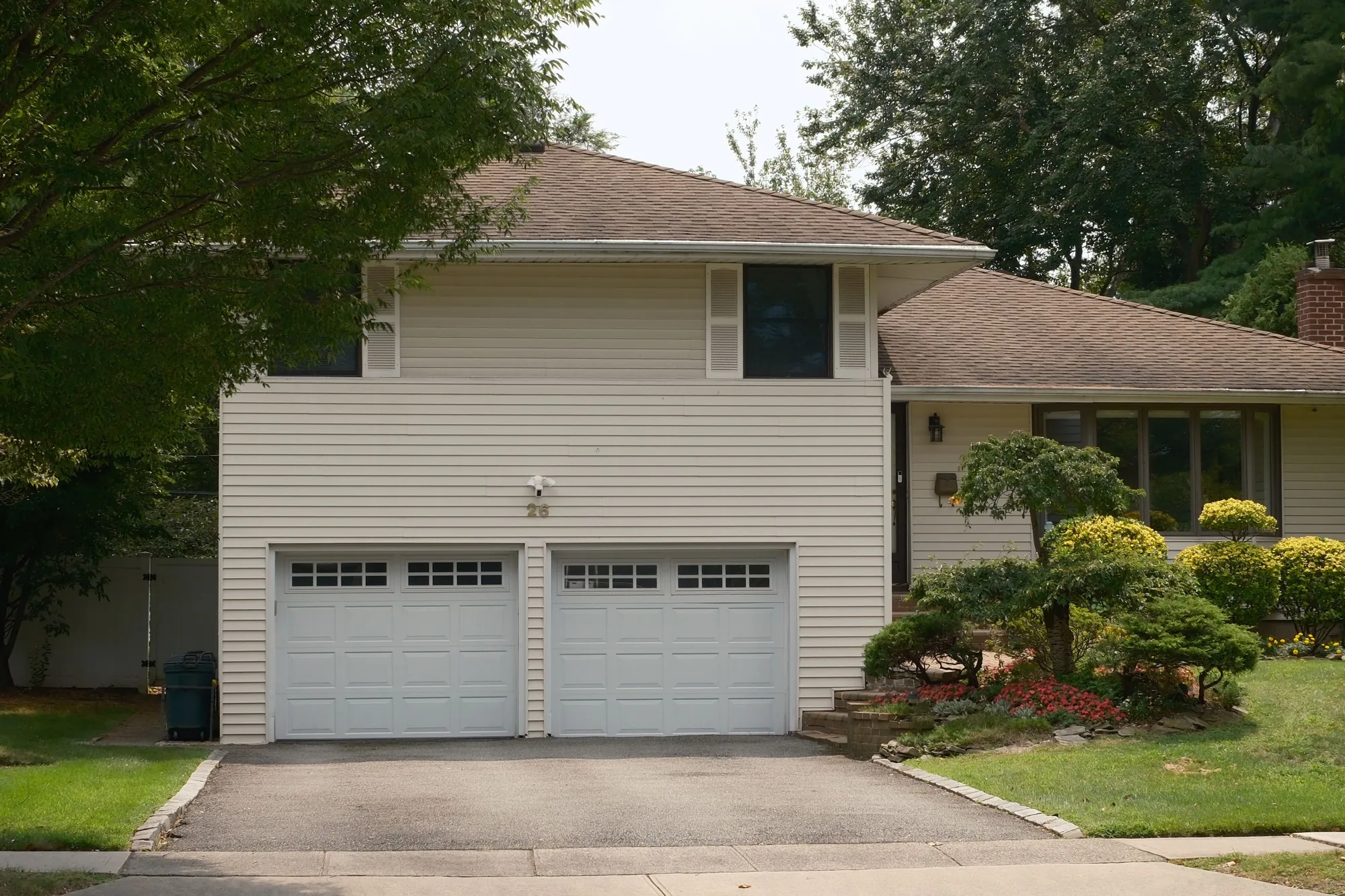
That creates a large number of tract-built homes with steel sectional doors, standard torsion systems, single-car garages, and tighter two-car openings, alongside newer homes with wider and heavier insulated doors.
Across the broader source area there are approximately 189,893 households and 97,142 owner-occupied houses.
Doors installed during the major 1980s and 90s building waves have now accumulated decades of spring, cable, roller, opener, and track cycles.
The house's build era provides useful context, but the correct repair still depends on the hardware actually installed today.
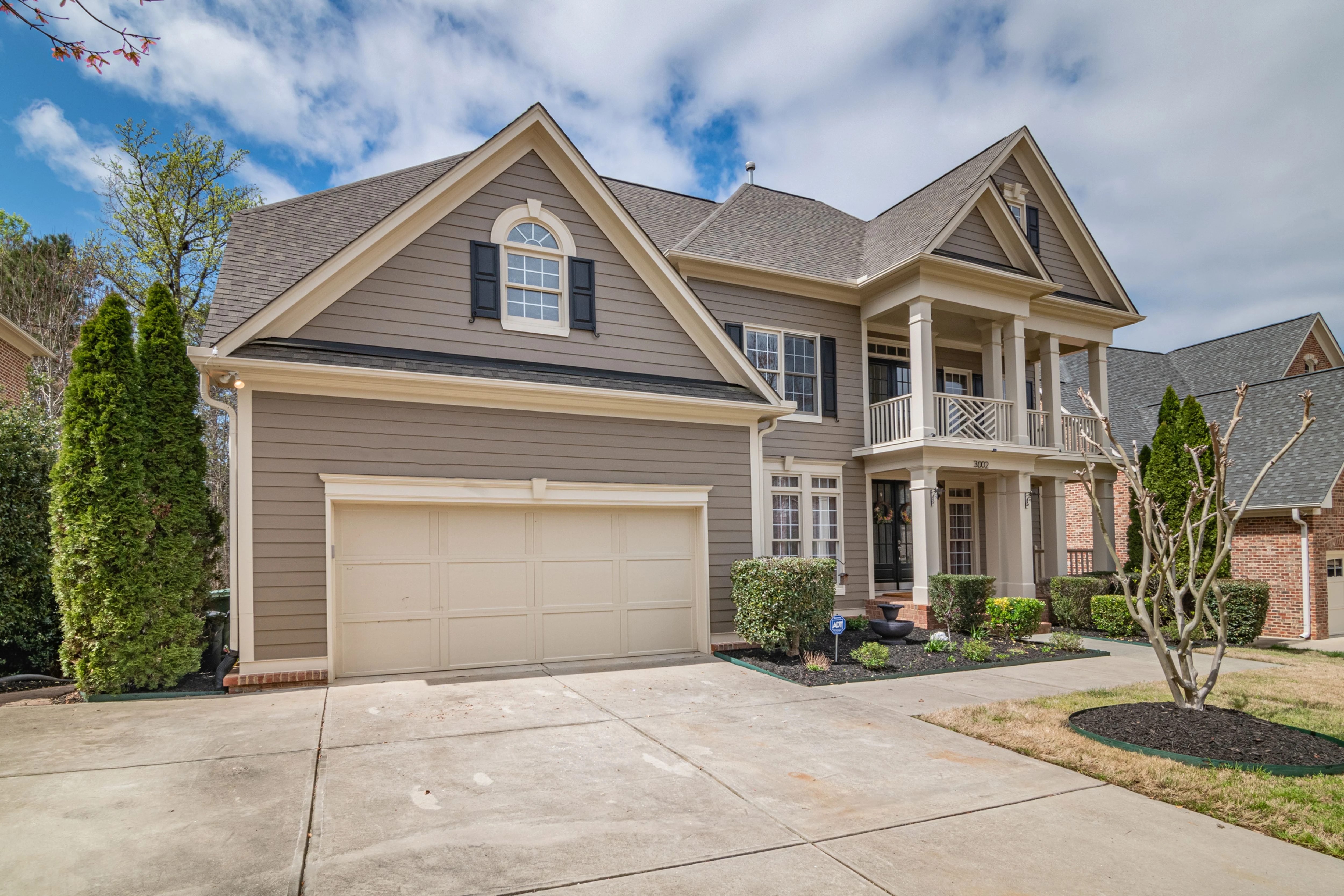
Multiple generations of garage doors
Homes spanning 1953 through 2014 create several generations of springs, tracks, rollers, openers, panels, and replacement hardware across the same service area.
Much of the local housing stock uses torsion systems that have now accumulated decades of regular opening and closing, putting them near the end of their rated life.
Tract-built neighborhoods commonly use steel sectional doors with serviceable springs, rollers, cables, tracks, and panels, which shapes how most repairs are approached.
Homes toward the newer end of the range can use wider, heavier insulated panels that require different spring sizing and balance.
Chain, belt, and screw-drive openers from different eras can require different repair or replacement decisions depending on the unit.
Built around Arlington garage doors
Arlington Garage Door Pros is focused on garage door repair and installation across Arlington and surrounding communities.
The working housing range stretches from 1953 through 2014, with real familiarity with the torsion systems, opener generations, rollers, tracks, cables, and panels found across those decades.
Some common components can be handled from normal truck stock, while older or discontinued hardware can require additional sourcing.
There's also a clear boundary around full custom architectural garage doors with specialty-manufacturer lead times — that work is outside the normal service focus.
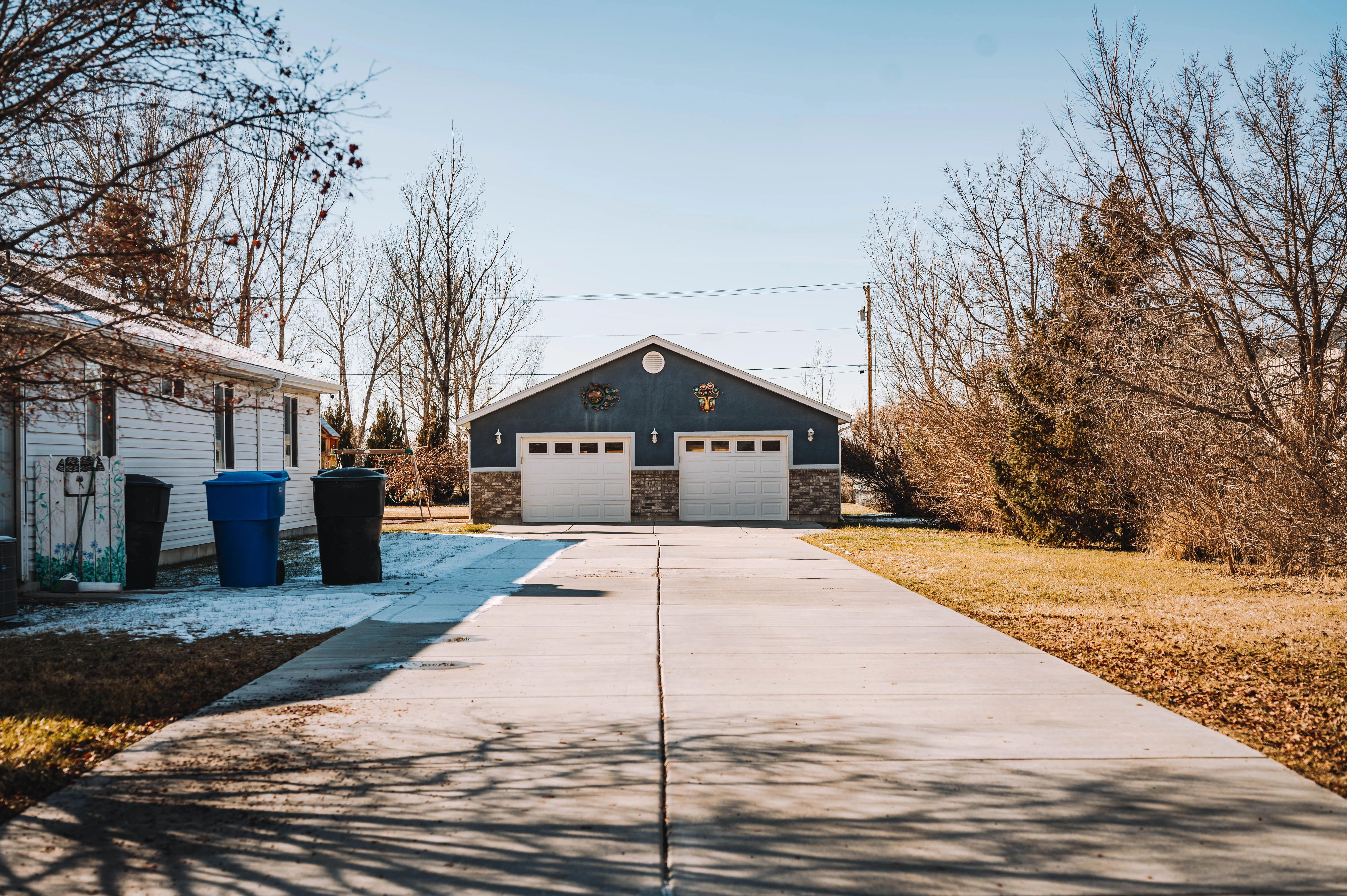
What to expect
We start with what the door is actually doing, check the whole lifting system rather than assuming one failed component, and explain what we found before the repair is approved.
Tell us whether the door won't open, a spring snapped, the opener clicks without moving the door, or another symptom has appeared. That's the starting point.
We check spring tension, cables, tracks, rollers, and the opener rather than assuming a stuck door has only one failed component.
The failed parts and surrounding wear are explained in practical terms before the repair is approved, so there are no surprises.
Common repairs may use stocked parts, while older or unusual components can require ordering before the repair can be completed.
Not Every Older Part Is Truck Stock
Some discontinued hardware may need additional sourcing instead of being available during the initial visit, and we'll tell you when that's the case.
Common Arlington garage door problems
Broken torsion springs, aging openers, worn rollers, frayed cables, track problems, and damaged panels make up much of the work across Arlington's 1980s- and 90s-heavy housing stock. Broken torsion springs are the most common call, especially on doors from the major 1980s and 90s building period; opener failures follow as motors, gears, and controls reach the end of their service life; and impact-damaged panels and aging circuit boards are less common but still regular needs.
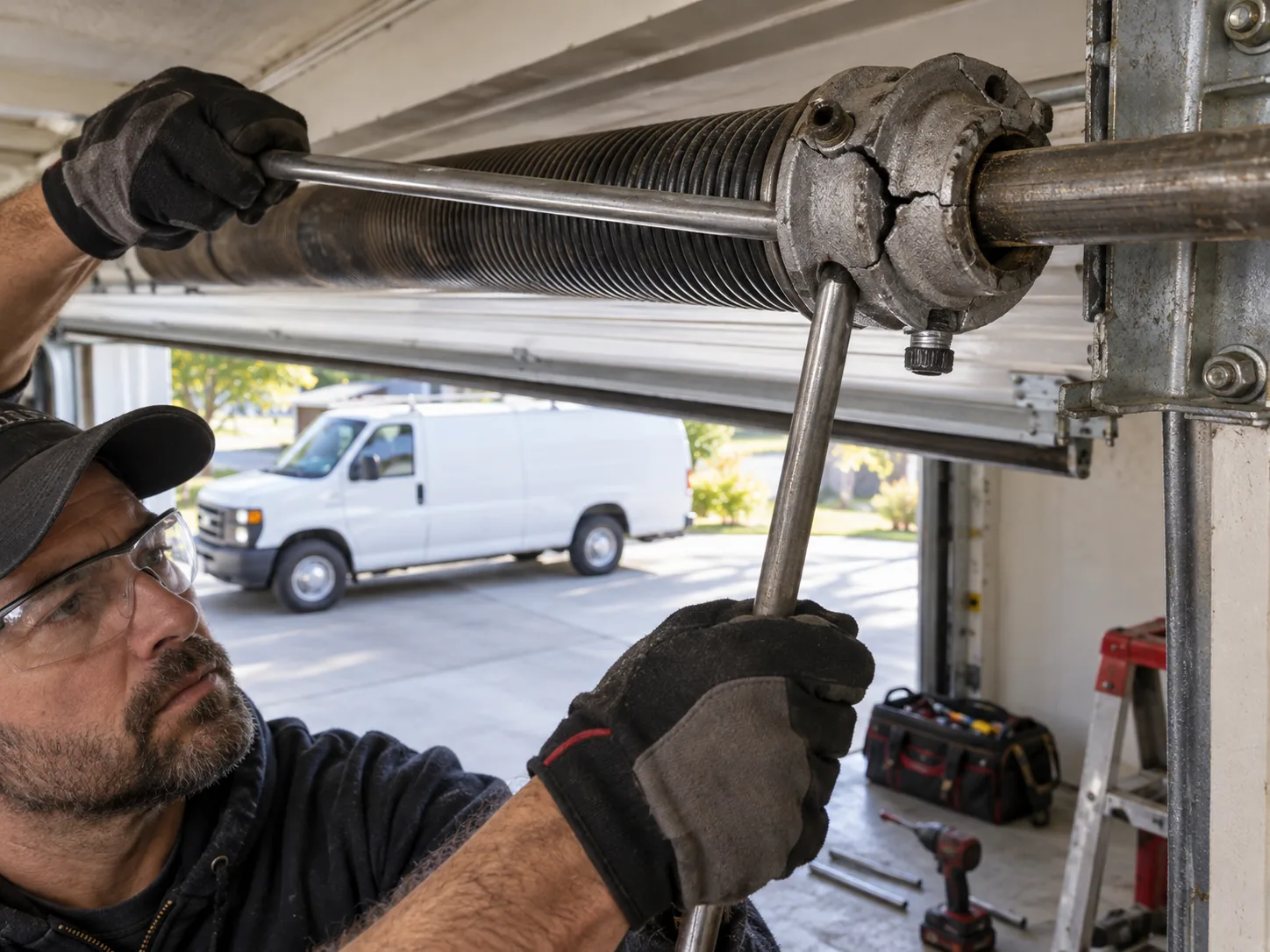
Garage door springs eventually reach the end of their useful cycle life after years of repeated opening and closing, and they're the most common call on doors from the 1980s and 90s build era.
Older motors, gears, controls, and circuit components can fail after years of daily operation, which is a common repair on doors of this age.
Rollers can crack, flatten, become noisy, or create resistance as they accumulate years of track travel, often showing up as grinding or shuddering.
Cables can fray, loosen, or fail after years of carrying repeated lifting loads, and the wear is often discovered during inspection for another repair.
Impact, mounting movement, or long-term wear can leave tracks misaligned or panels damaged enough to affect normal operation.
Warm-weather garage door wear
The area carries a moderate heat load, so long-term temperature cycling, lubrication condition, seal aging, and daily use matter more to how older garage door hardware performs than extreme weather does.
Older lubricant can dry or lose effectiveness over time and increase resistance through rollers, hinges, and other moving hardware, leaving the door louder.
Long-term heat exposure can contribute to seals becoming stiff, compressed, or less effective, letting in more dust and air over time.
Daily opening and closing remains a major driver of wear regardless of seasonal conditions, and it's what brings most springs to the end of their cycles.
Older rollers can become cracked, noisy, or resistant as years of use accumulate, which puts extra strain on the opener.
Repair or replace?
A broken spring, cable, roller, track, or opener component does not automatically mean the complete garage door needs replacement. Replacement becomes more practical when several major systems or the door structure itself are already failing.
A targeted repair can make sense when the door, panels, tracks, rollers, and opener remain structurally serviceable. One failed part is no reason to replace a sound door.
Worn rollers and manageable alignment problems can often be repaired without replacing the complete garage door, restoring smooth travel.
Replacement becomes more practical when the door structure is sufficiently damaged that new hardware won't keep it operating reliably.
When an older door has several major systems failing together, broader replacement can offer better value than repeated individual repairs.
Service areas
Questions
It comes down to what's failing. A broken spring, cable, or roller on an otherwise sound door is almost always a repair. If the panels are warped, the track is bent beyond adjustment, or the door is original to a house built decades ago and multiple systems are failing at once, replacement usually costs less over time than repeated repairs.
For most doors from the 1980s and 90s build era common across this area, yes - springs, cables, rollers, and standard opener parts are usually on hand. For older or less common hardware, we may need a day or two to source the specific part rather than finishing in one visit.
For this site, the configured surrounding service areas are DeSoto, Grand Prairie, Keller, Midlothian, Rendon, and Saginaw.
Torsion springs are rated for a set number of open-close cycles, not a set number of years. On a door that's original to a house built in the 1980s or 90s, that cycle count is usually long since used up, so the spring can look fine right up until it isn't.
Ready when you are
Tell us what the door is doing and we'll help you figure out whether you're dealing with a spring, cable, roller, track, off-track door, opener issue, emergency problem, or a system that's reached the point where replacement makes more sense.