
Arlington, TX
Garage Door Repair for Arlington's 1980s-90s Housing Stock
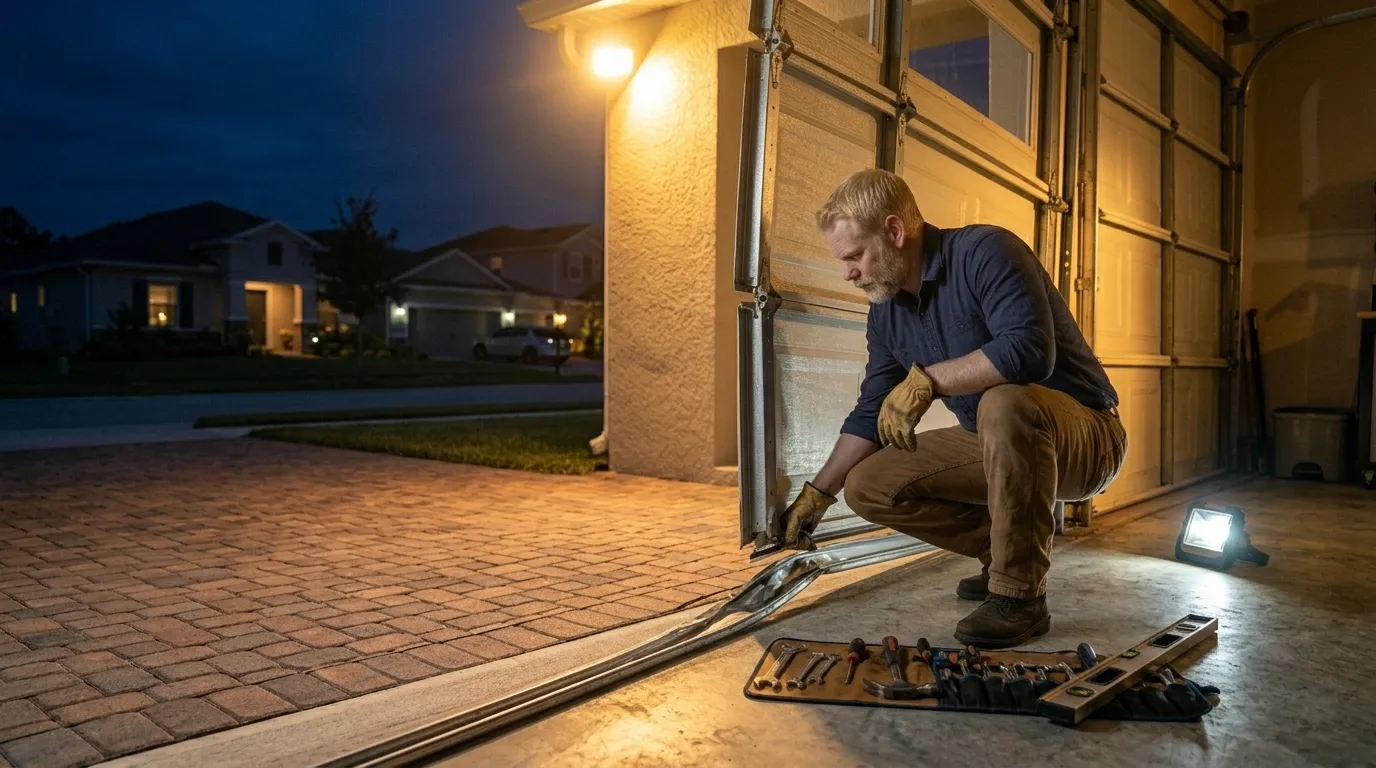
Arlington homes built between 1953 and 2014 wear out springs and openers differently than newer subdivisions. We fix the failures tied to this area's housing stock and heat.
What we do
Garage door work in Arlington
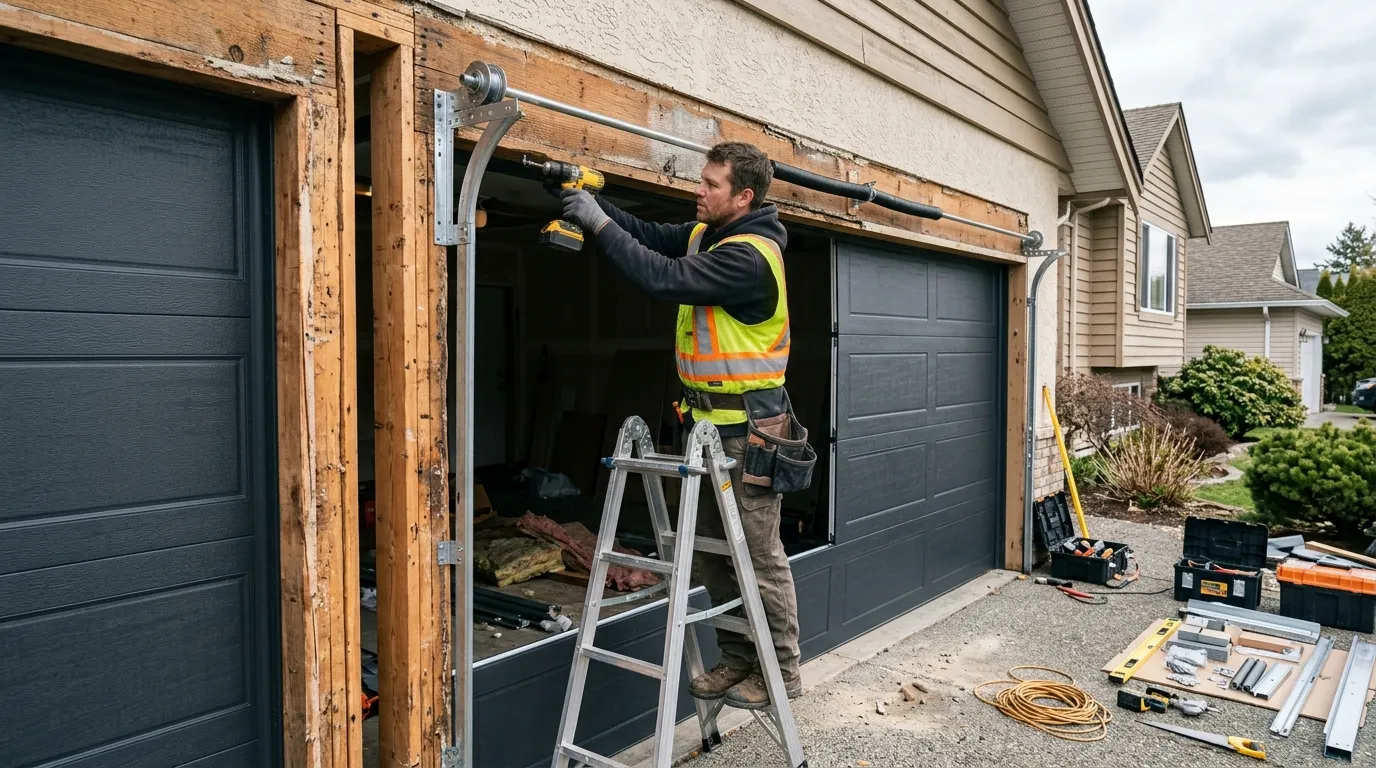
Garage Door Installation for Arlington Homes
Arlington homes built between 1953 and 2014 carry a mix of original and updated doors. Learn more →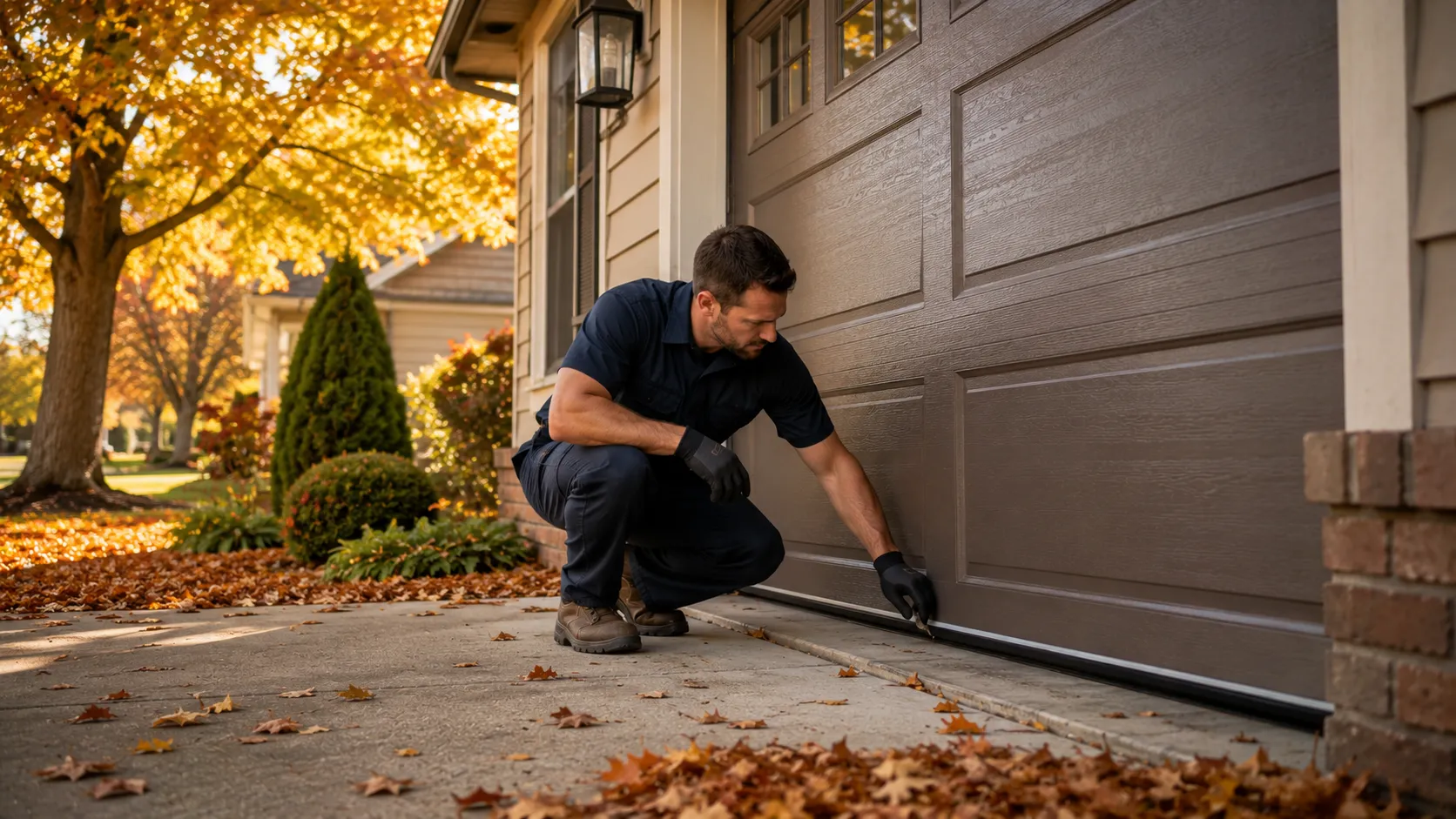
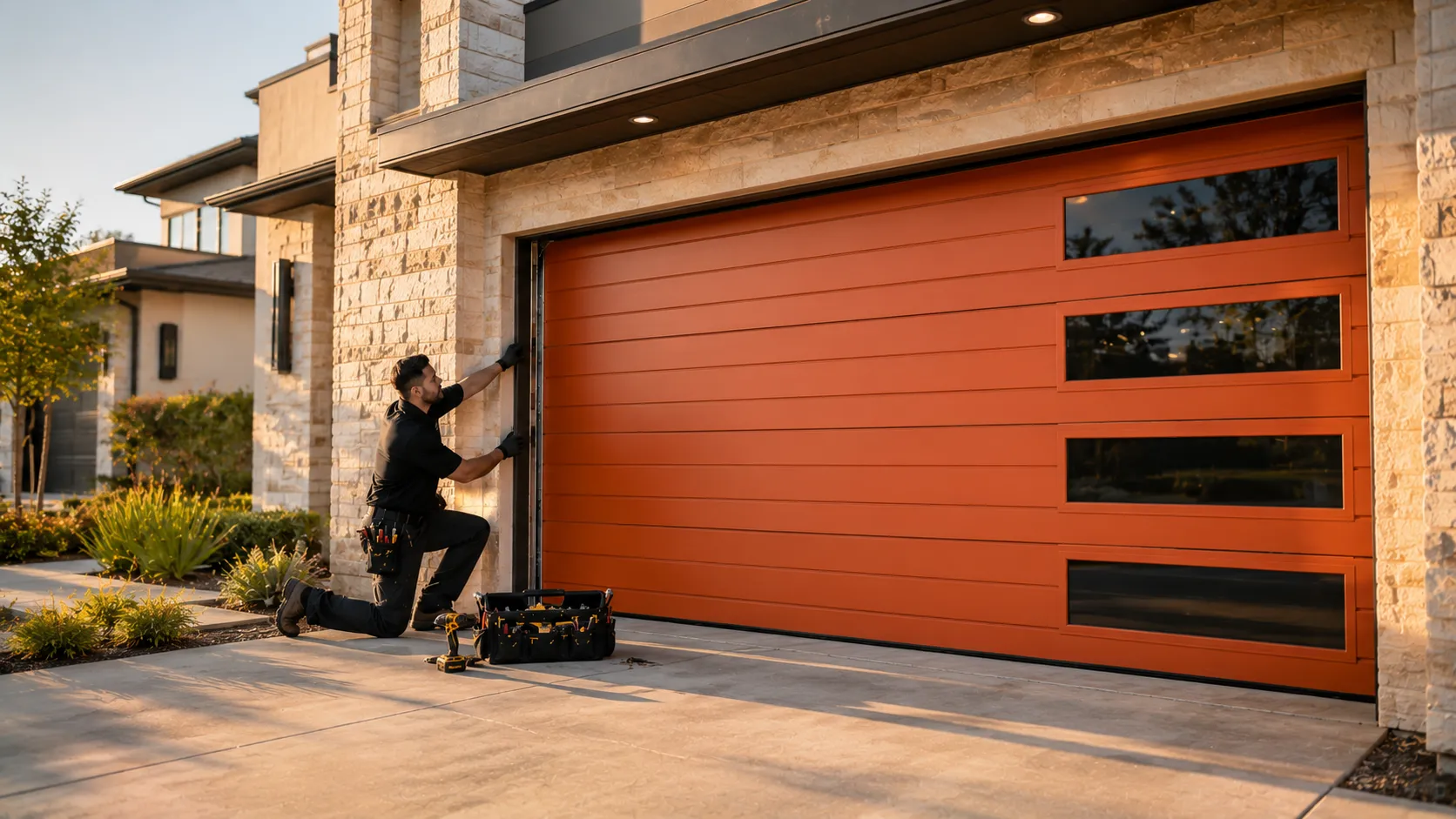
Garage Door Service for Arlington's 1980s and 90s Housing Stock
Garage door service for Arlington, TX homes built mostly in the 1980s and 90s, where original torsion springs and heat-worn openers are common calls. Learn more →Local detail
Why It Happens Here
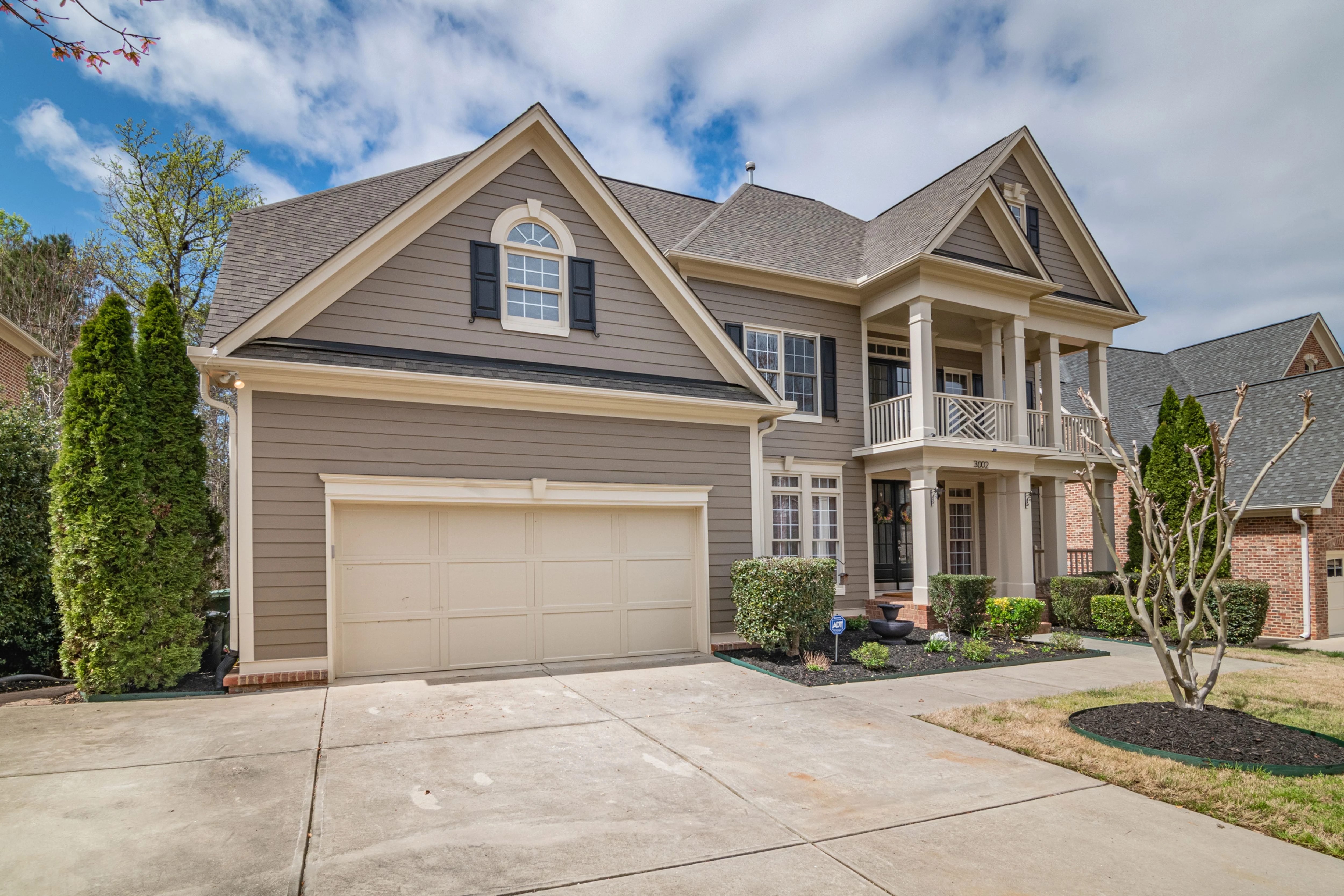
Most of the houses we get called to sit in that 1980s-90s band of construction that makes up the bulk of Arlington's stock, with the wider service area spanning homes built anywhere from 1953 to 2014 and a median build year around 1990. That matters because a door installed in, say, 1988 has had roughly three and a half decades of Texas heat working on its torsion spring's temper and its steel track's alignment. Heat here runs moderate rather than extreme, so we don't see the flash failures you'd get somewhere with brutal summers, but we do see the slow kind: grease that's gone gummy, spring coils that have lost a fraction of their tension every summer for thirty years, and hinges that have worked loose from expansion and contraction cycling year after year.
In the 22 named areas across this service territory, the age of the door usually tracks pretty closely with the age of the house, since most original doors on 1980s and 90s builds never got swapped out. When a spring finally lets go, it's rarely a surprise to us. It's a door running on original 1990s-era hardware that finally reached the end of its duty cycle, not a fluke.
The area
The DIY Question
A loose bolt on a track bracket or a sensor that needs its eye wiped clean - fine, do that yourself. A torsion spring under tension, a broken cable, or a bent shaft is a different animal, and we won't pretend otherwise. On the older end of Arlington's housing stock, doors built in the 1950s through 1970s sometimes carry hardware that's been repaired piecemeal over the decades, with mismatched parts from different eras, and guessing at spring size or winding cone position on that kind of door is how people lose fingers, not save money. Our honest limit: if your door was installed before the mid-1990s and nobody's touched the spring system since, we're not going to walk you through a phone diagnosis.
We need to see it. Where DIY genuinely makes sense is cosmetic stuff and basic maintenance - lubricating rollers, tightening visible hardware, clearing debris from the track. Past that, the cost of a torsion spring repair kit from a hardware store is small next to an ER visit or a garage door that comes down on a car.
What we find
How It Shows Up
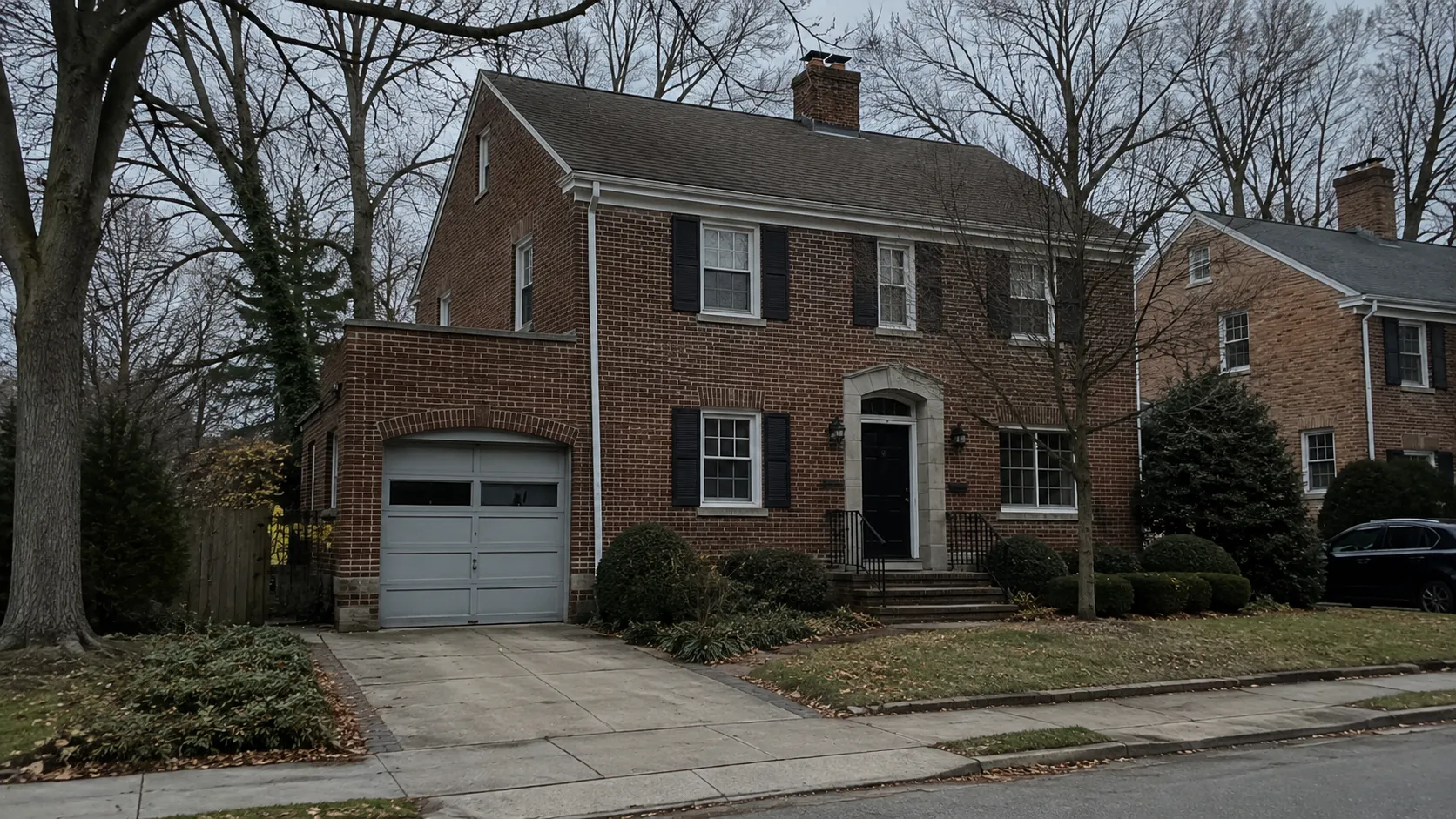
On the older builds - the ones going back toward 1953 through the 1970s - we mostly see worn-out springs, dry-rotted weatherseal, and openers that predate modern safety reversal sensors entirely. On houses from the 1980s and 90s stock that makes up most of this area, the common call is a spring that's simply reached its cycle limit, paired with an opener from the same era whose drive gear has stripped or whose logic board has started dropping signal. Newer builds toward the 2014 end of the range tend to bring us different problems: rollers going bad on plastic tracks, or openers under warranty disputes.
Across all of it, the tell-tale sign is usually the same regardless of decade - the door starts slow, then jerky, then it just stops halfway and won't budge. That's almost always spring tension, not the opener, even though the opener gets blamed first.
How we work
How Long You Are Without the Door
Parts availability is the real variable, more than labor. A standard torsion spring sized for a typical residential door is something we usually have on the truck. A part for an opener model that stopped being made twenty years ago - which comes up more often than you'd think, given how much of this area's housing dates to the 1980s and 90s - sometimes means a short wait on a special order rather than a same-visit fix.
We won't promise a universal timeline because it isn't honest to, but we will tell you on the spot, once we've looked at the door, whether it's a same-visit repair or a parts-order situation. If your door is unsafe to operate - off track, spring snapped, cable frayed - we'll tell you not to run it in the meantime, full stop, even if that means a day or two of using a side door.
Questions
Common questions
Why did my garage door spring break with no warning?
Torsion springs are rated for a set number of open-close cycles, and most Arlington-area homes were built between 1953 and 2014 with median construction around 1990 - meaning a lot of original springs are three-plus decades into a lifespan they were never meant to exceed indefinitely. The last cycle just happens to be the one that snaps.
Do you work on older Arlington homes with original 1960s or 70s doors?
Yes. Older doors sometimes have discontinued hardware or non-standard spring sizing from past patch repairs, so we may need to source a compatible part rather than an exact match. We'll tell you upfront if that's the situation before starting work.
Is it normal for a garage door opener to slow down over time?
It's common on openers original to 1980s and 90s-built houses, which describes a large share of homes in this area. Drive gears wear, logic boards age, and moderate heat cycling year over year adds up. Slowing down is usually a symptom of spring or gear wear, not a dying motor.
Ready when you are
Need a garage door sorted in Arlington?
Arlington Garage Door Pros repairs and installs garage doors, springs and openers in Arlington, TX and the surrounding area.