
Guide
Weather Seals and Draughts on Arlington Garage Doors
Arlington homes built between 1953 and 2014 lose door seal integrity differently by decade. Here's what that means for draughts and when to replace the seal.
Local detail
Season by Season
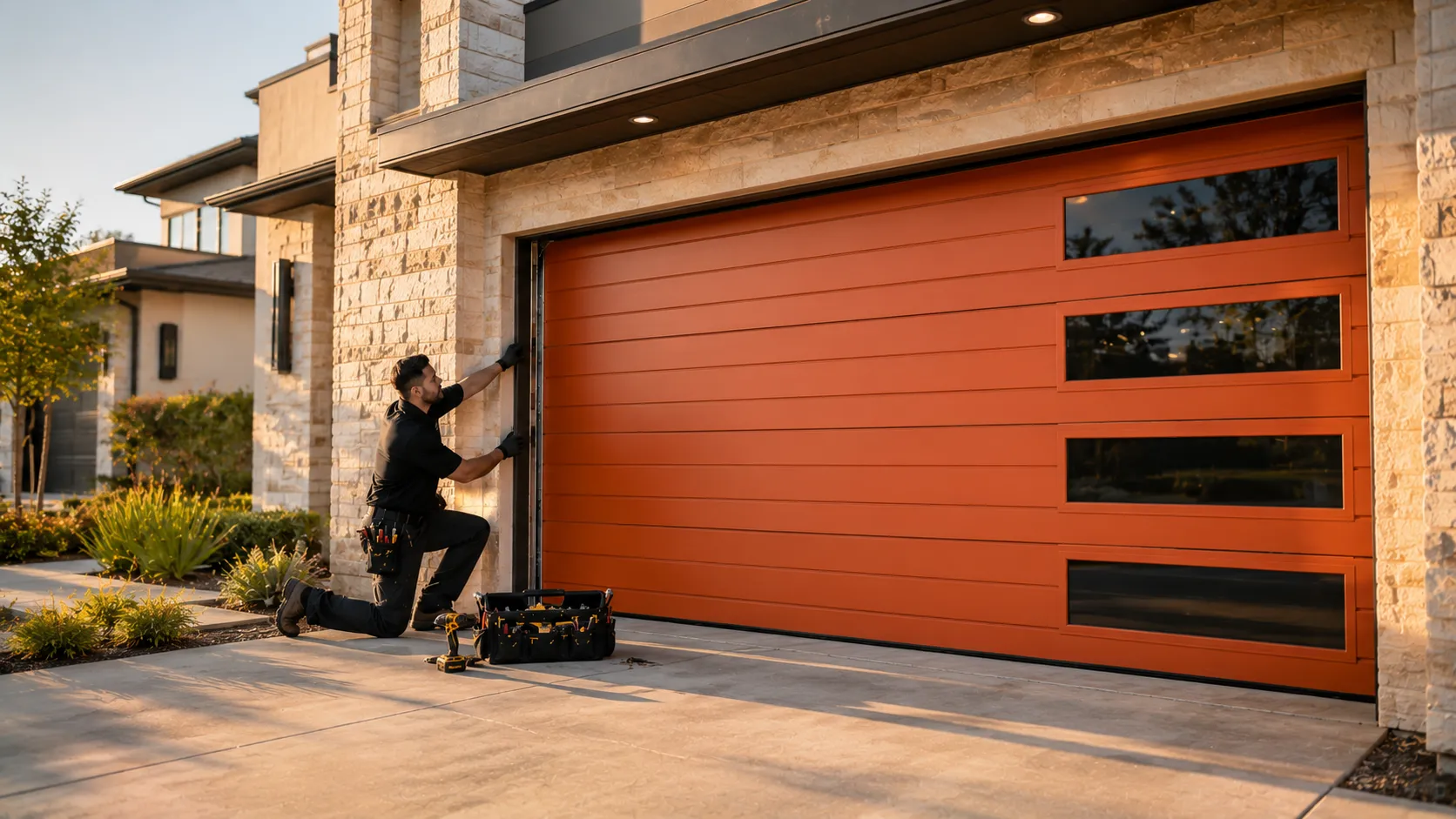
Arlington sits in a moderate heat climate band, which means the seal on your garage door isn't fighting deep freeze cracking the way it would further north, but it is fighting long stretches of high heat that dry out rubber and vinyl faster than most owners expect. Summers here bake the bottom astragal and side seals against hot concrete and asphalt driveways for months at a stretch. That heat cycle - hot pavement all day, cooler nights - flexes the seal material repeatedly, and over years that flexing is what cracks it, not cold snaps. Spring and fall bring the rain that actually finds its way through a seal once it's cracked.
If your door was sealed when it was installed and never touched since, the seal is doing less work every summer that passes. We don't see the frost-heave damage some regions deal with. What we see is UV and heat fatigue, which shows up as a seal that's gone stiff, shrunk narrower than the track it sits in, or split along one edge where it gets the most sun.
The area
The Problem
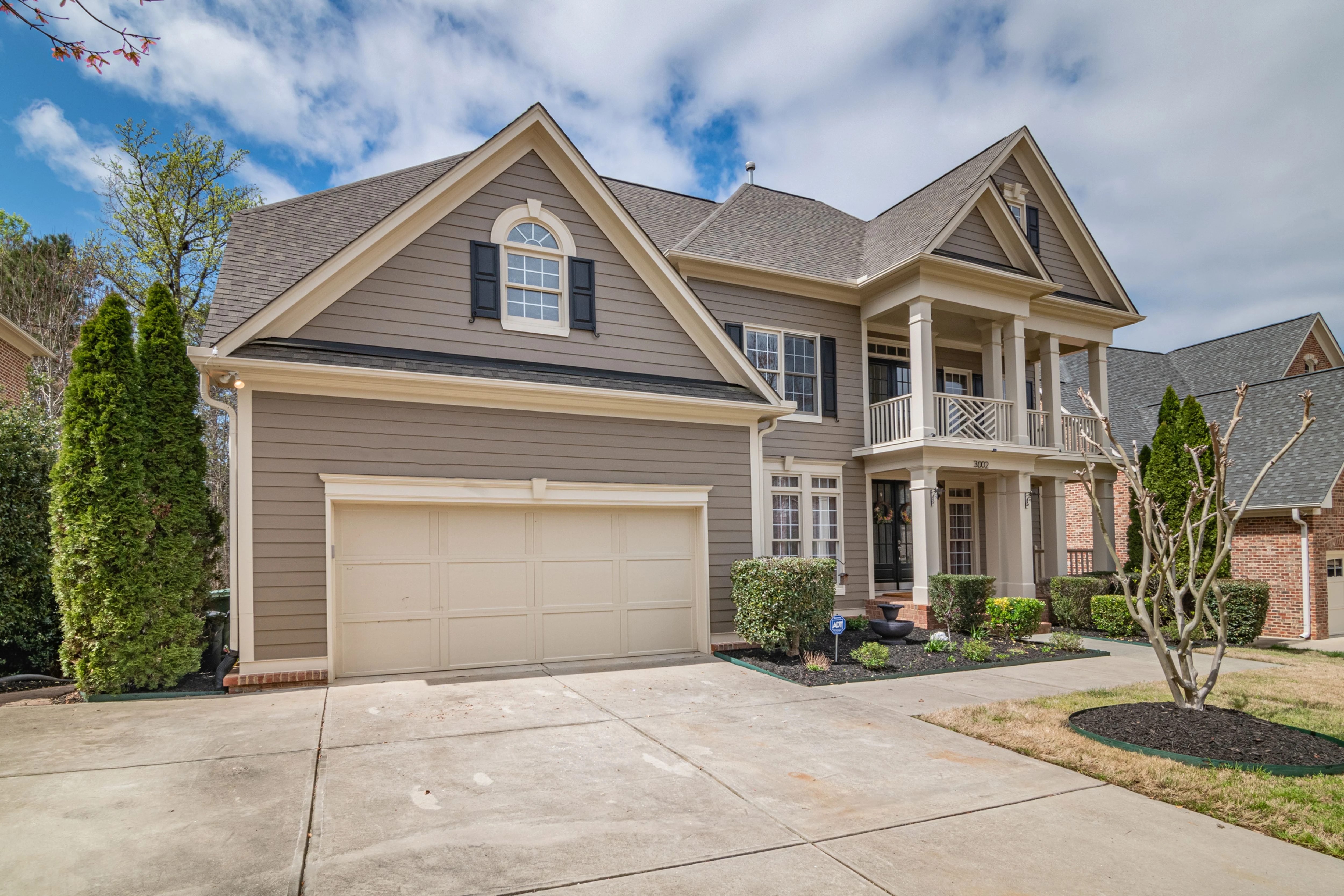
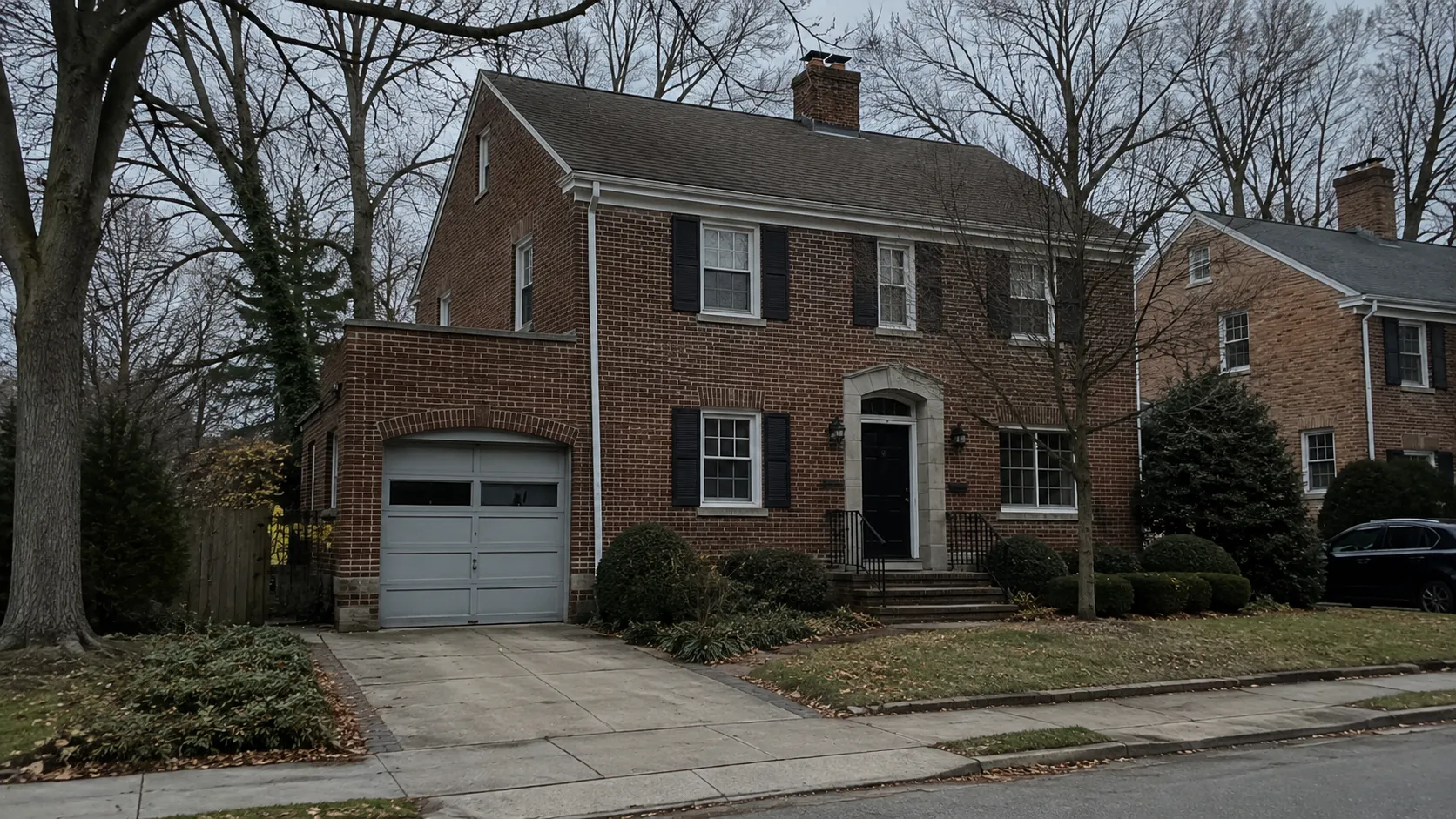
Across the service area, housing runs from 1953 up through 2014, with the median build year around 1990 and most of the stock across the 22 named communities dating to the 1980s and 90s. That range matters for seals specifically because the door and frame tolerances shifted over those decades - a bottom seal made for a 1985 track profile doesn't always sit flush in a door frame built to 2005 spec, and vice versa if a door's been swapped out over the years. Homes from the earlier end of that range are the ones we find with the worst gaps, simply because the original seal has had thirty-plus summers of heat cycling to work with.
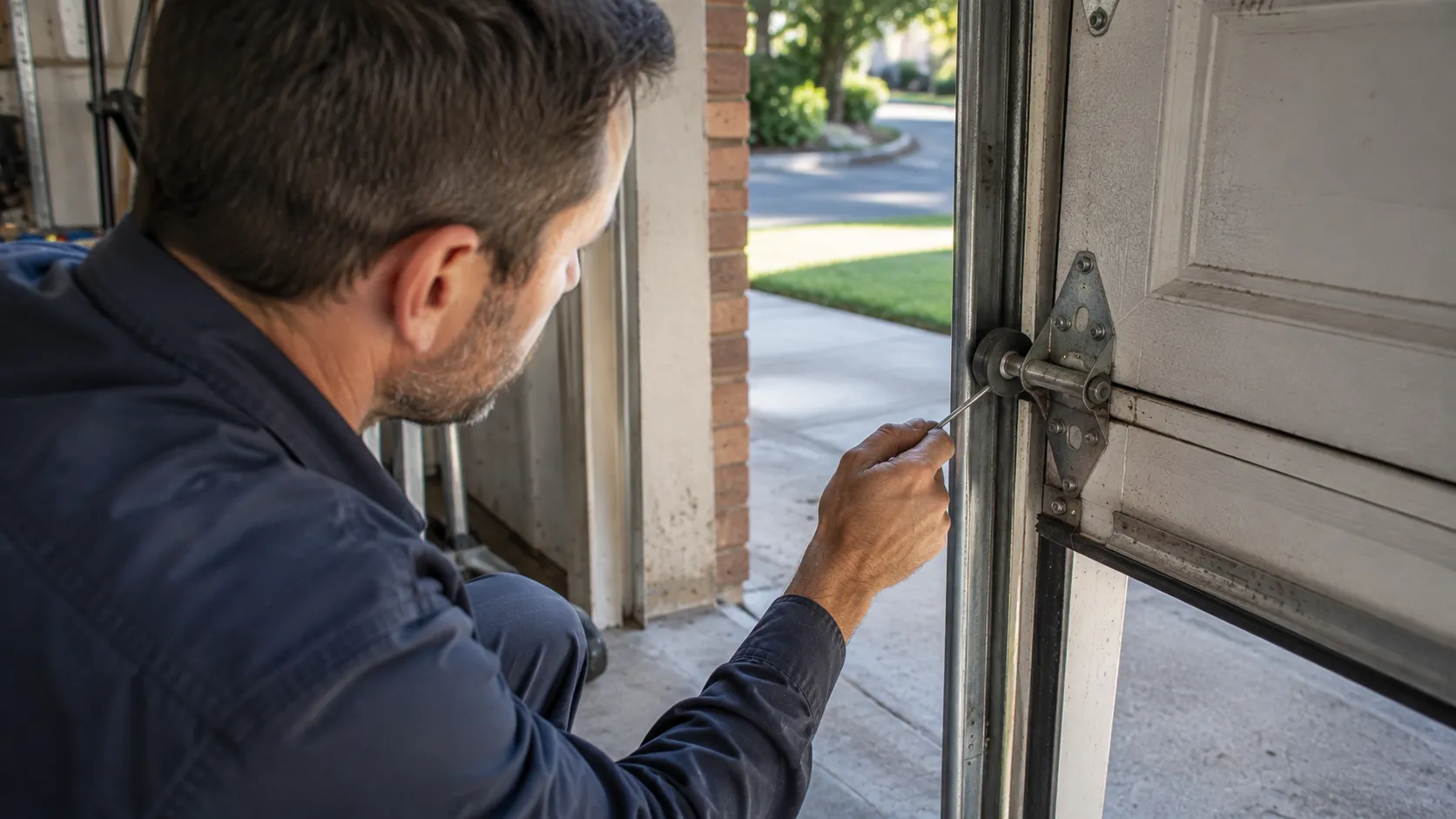
The draught you feel isn't usually the door itself - it's a seal that's shrunk half an inch shorter than the opening it's supposed to cover. We check seal fit against actual frame width, not just against what the manufacturer's chart says a door that age should have.
What we find
What You Pay
We don't have a set price to publish here for seal replacement - it depends on the door width, the seal type your track takes, and whether the retainer channel needs replacing along with the rubber. What we can tell you is that seal work is one of the cheaper jobs we do relative to spring or opener repair, and it's rarely worth putting off, since a bad seal doesn't damage anything else on the door - it just costs you conditioned air and lets dust in. If your seal is original to a door from the earlier end of the 1953-2014 range, replacing it before it fails completely is the better move than waiting for a call after storm season.
How we work
What the Weather Here Does to It
Moderate heat, not extreme cold, is the driver of seal failure across this part of the service area, and that shapes what we actually recommend. Vinyl and rubber both hold up fine here in terms of cold-weather brittleness - that's a problem for other climates. What gets seals here is UV exposure combined with repeated heat expansion against a hot slab, which is a slower failure but a steady one across a housing stock with a median build year of 1990.
A door in Central Arlington or East Arlington facing a south driveway is going to see harder seal wear than one in a shaded north-facing bay, even on the same block. We don't stock every seal profile for every builder from every decade in that range, so on older or less common doors there can be a short wait on the exact size - we'll tell you upfront if that's the case rather than sell you a seal that's close enough.
Questions
Common questions
How often should I replace the garage door seal in Arlington's climate?
There's no fixed interval, but because our climate band is moderate heat rather than freeze country, the seal fails from UV and heat-cycle fatigue rather than cracking in the cold. On a door with the original seal from the 80s or 90s, check it yearly for stiffness or shrinkage rather than waiting for a visible gap.
Why does my garage let in more draught in summer than winter?
In a moderate heat climate, seals shrink and stiffen from sun and hot pavement exposure, not cold. A seal that looks fine in spring can pull away from the frame edge by late summer once it's spent months against a hot slab, which is when most Arlington homeowners actually notice the gap.
Does my house's age affect what seal fits my door?
Yes. Housing in this area was built between 1953 and 2014, and track and frame tolerances shifted across that range. A seal sized for an older frame doesn't always sit flush on a door installed to a newer spec, so we measure the actual opening rather than guessing from the build year alone.
Ready when you are
Need a garage door sorted in Arlington?
Arlington Garage Door Pros repairs and installs garage doors, springs and openers in Arlington, TX and the surrounding area.