
Guide
When Your Arlington Garage Door Was Built Before Anyone Cared About R-Value
Arlington homes built 1953-2014 predate today's insulated-door codes. See what that means for your door's performance, repair costs, and how our moderate heat wears on old panels.
Local detail
Season by Season
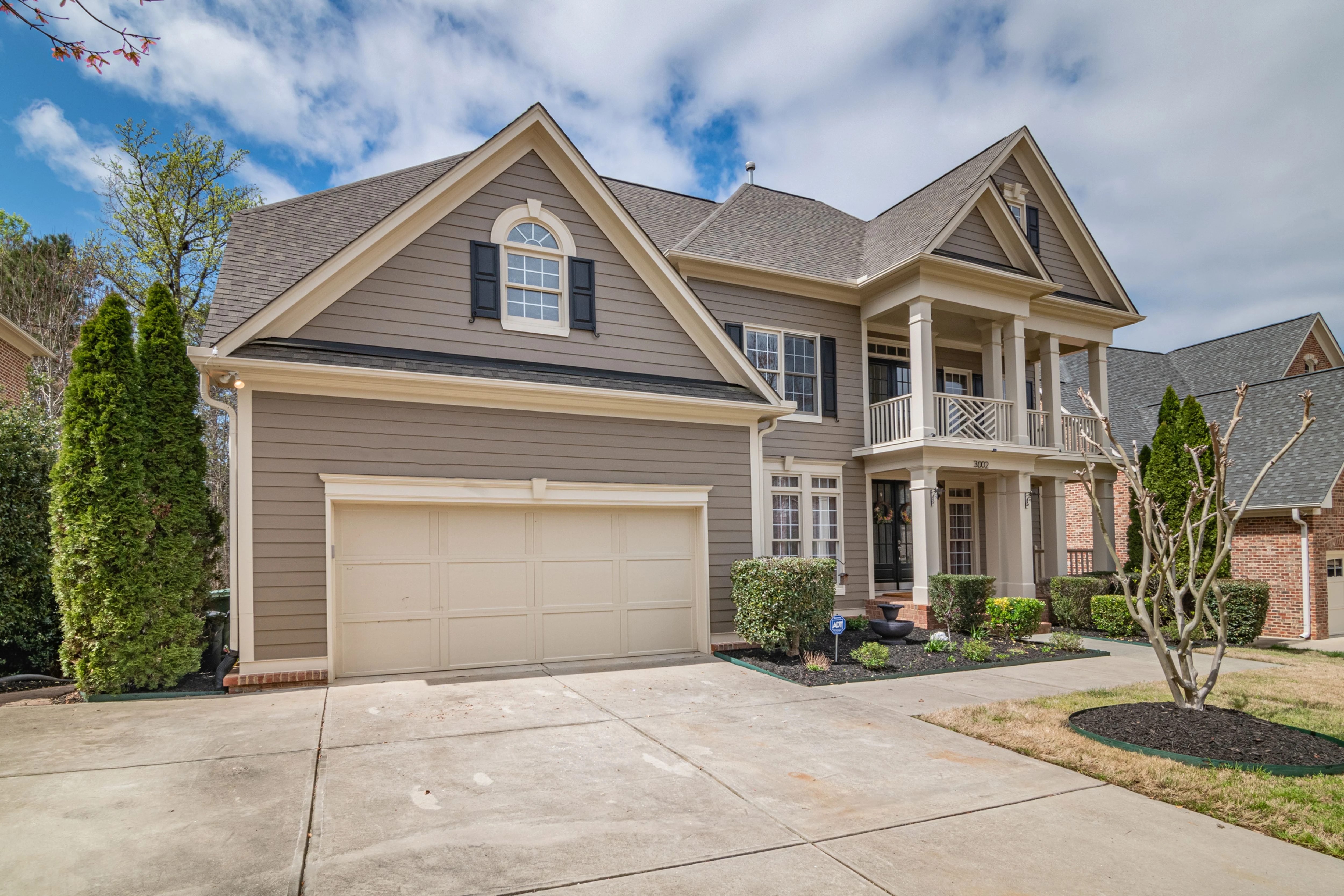
Arlington's housing stock spans 1953 through 2014, with the median build year sitting around 1990. That fifty-plus year spread matters because garage door standards changed a lot over that window. A door installed on a house from the 1950s or 60s was likely a single steel skin with no insulation layer at all - nobody required it, and nobody sold it that way locally.
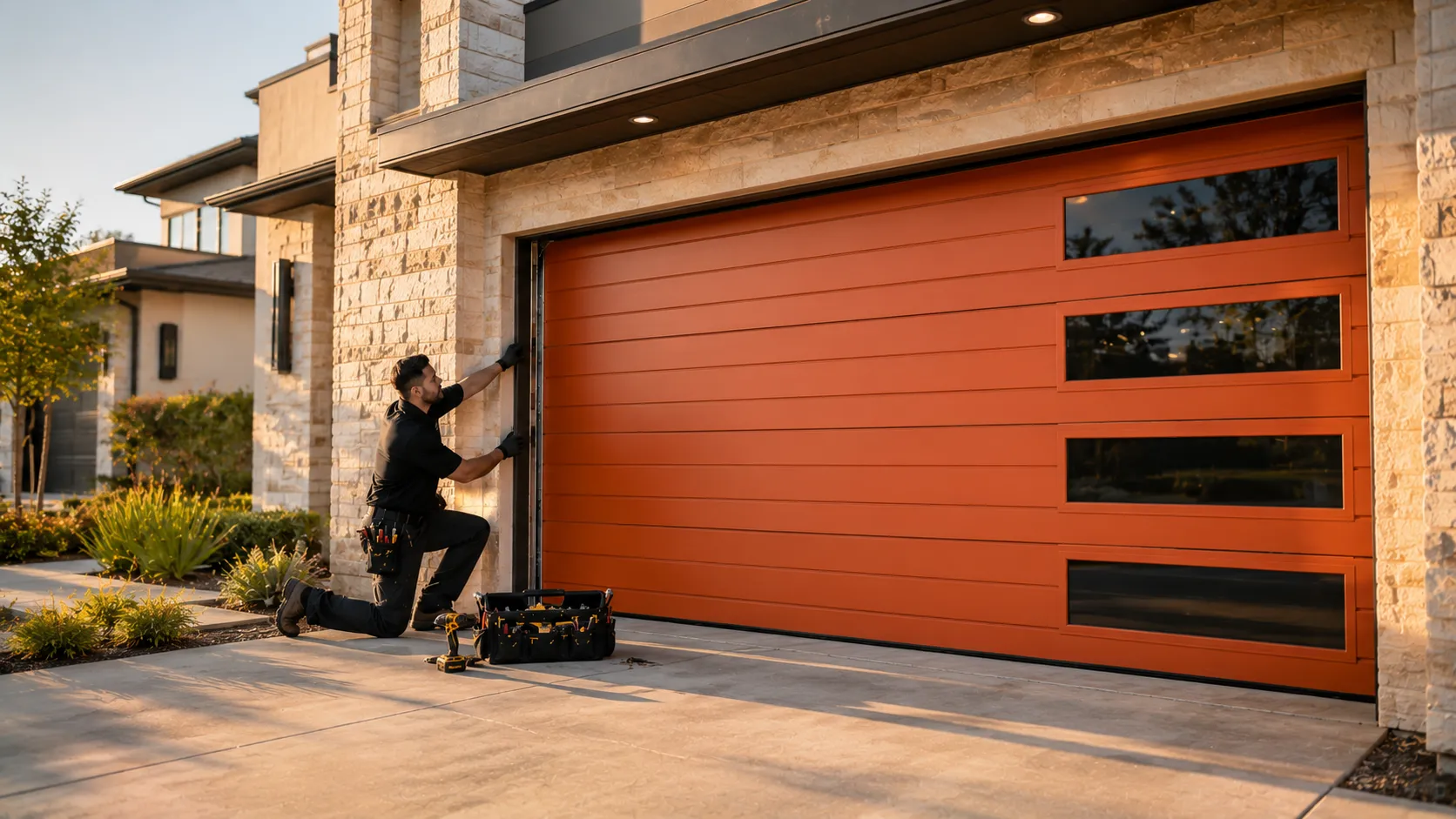
Move into the 1980s and 90s, which covers most of the housing across the 22 areas we work in, and you start seeing the first foam-core doors, though plenty of builders still specified the cheaper uninsulated panel to hit a price point. Through summer, the moderate heat band this region sits in pushes on both types differently - the older solid steel door radiates heat straight into the garage and warps slightly at the seams over the years, while even the foam-core doors from the 90s can see their weatherstripping dry out and crack faster than a newer door would. Spring and fall are usually the calmer months for calls; summer is when the older, uninsulated doors get complaints about how hot the garage gets, and when track hardware that's expanded and contracted for decades starts binding.
The area
The Problem
There was no local code requiring insulated garage doors when most of this housing went up. A house built in 1975 has zero obligation, then or now, to have anything more than a bare steel or wood panel between the garage and the outdoors, and a lot of them still do. What that means in practice: the door itself isn't broken, but it's doing a job it was never built for. Owners call us thinking a section is failing when really the panel has just been flexing in the heat for thirty or forty years, the seams have loosened, and the door rattles more than it used to.
We also see this on doors from the 80s and 90s that got a thin foam layer added as an afterthought rather than a true insulated core - it looks similar to a modern door from the driveway but performs nothing like one. None of this is a defect. It's a door built to the standard of its decade, in a service area where most homes are old enough that
Questions
Common questions
Is my garage door required to be insulated in Arlington?
No. There's no local code requiring insulation in garage doors, and most homes here were built before that was even a common option. If your door is a bare steel or wood panel, that's normal for its build era, not a violation of anything.
How do I know if my door has real insulation or just a thin liner?
Open the door and look at the inside face. A true insulated door has a rigid foam core, usually an inch or more thick, sandwiched between two steel skins. A thin foil or foam liner glued to a single steel panel - common on 80s and 90s doors - will feel hollow when you knock on it.
Does the heat here actually shorten a garage door's life?
This area sits in a moderate heat band, not an extreme one, but repeated summer heat cycling still dries out weatherstripping and can loosen panel seams on older, uninsulated doors faster than on newer insulated ones. It's gradual wear, not sudden failure.
Should I replace an old uninsulated door or just repair it?
If the panels are still straight and the hardware works, repair usually makes more sense - we don't push replacement on a door that's just old. If the steel is visibly warped or the seams have separated from years of heat expansion, replacement is the better use of the money.
Ready when you are
Need a garage door sorted in Arlington?
Arlington Garage Door Pros repairs and installs garage doors, springs and openers in Arlington, TX and the surrounding area.