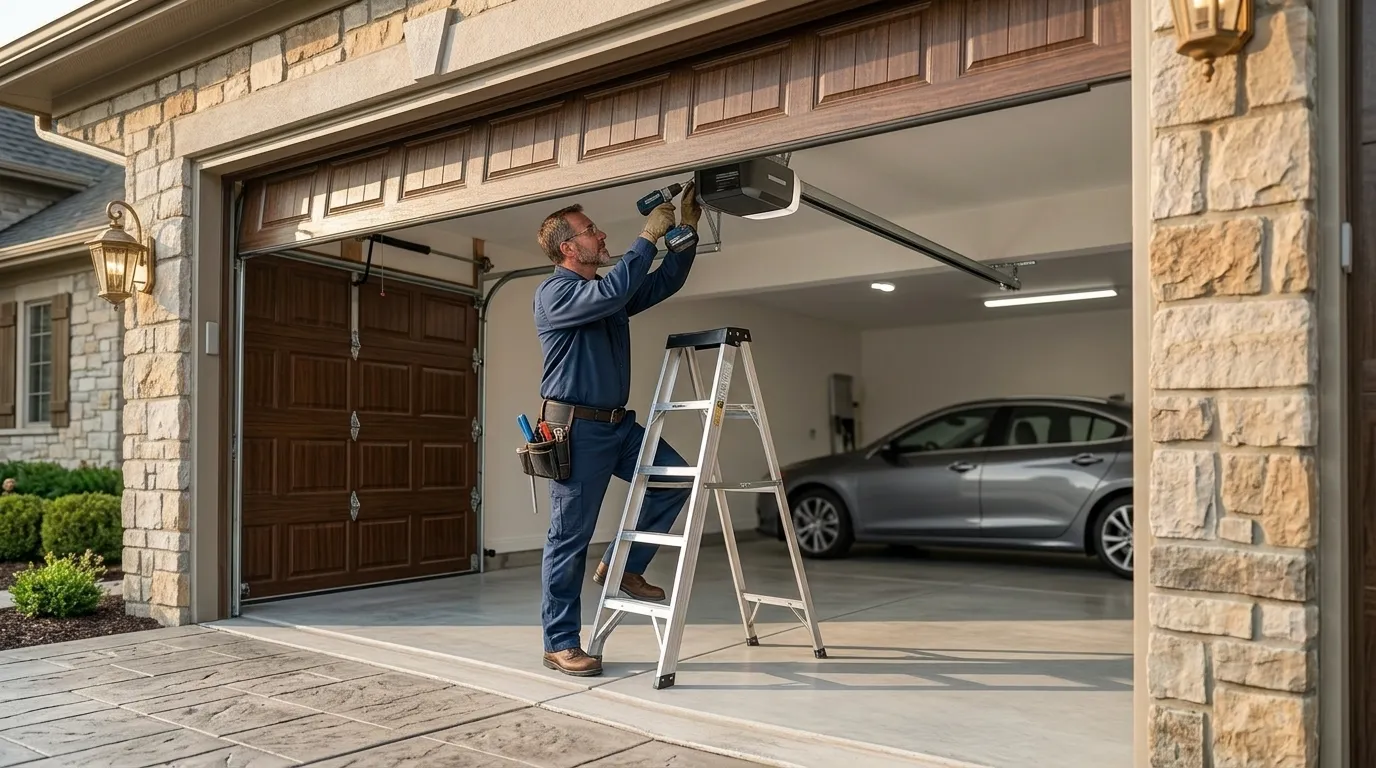
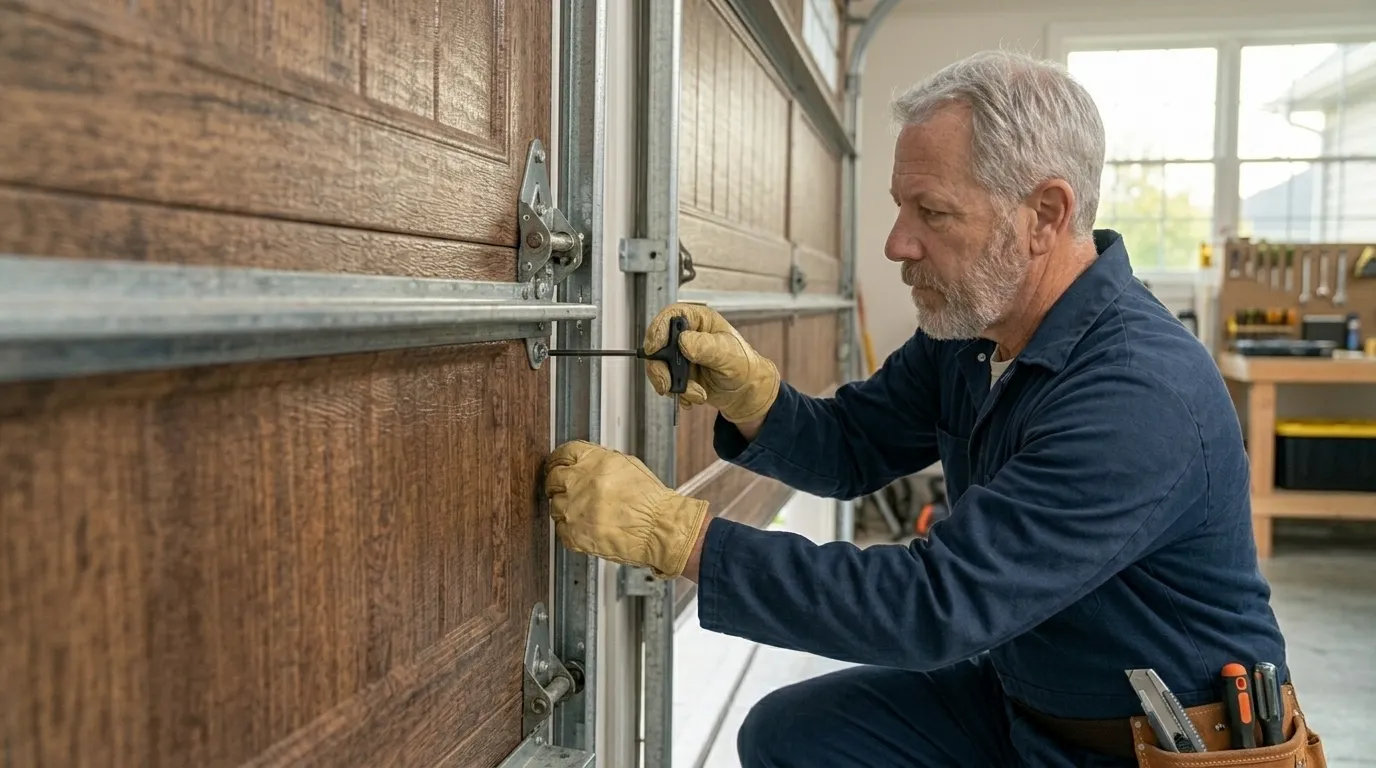
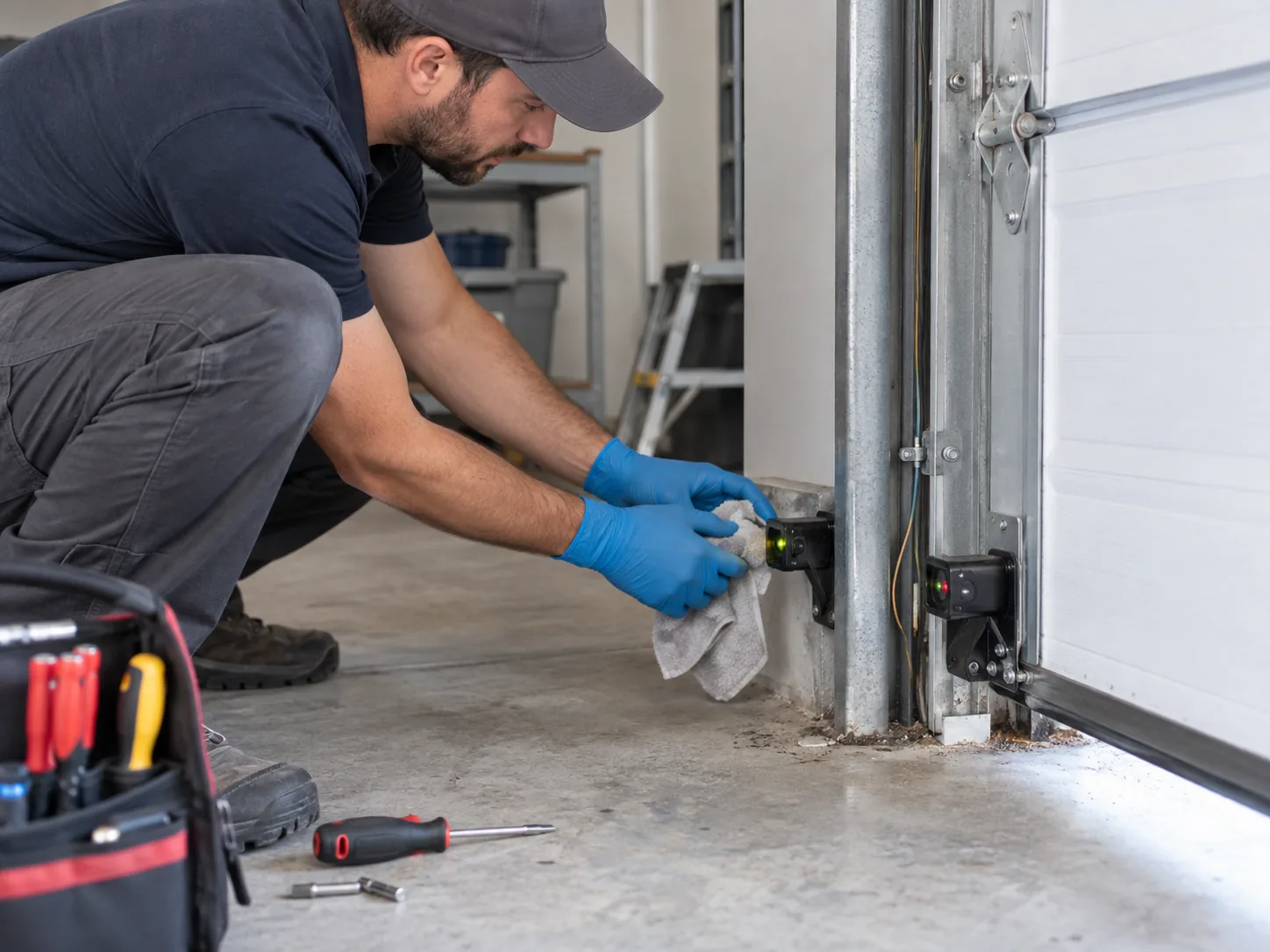
On doors from the late 1990s and early 2000s, the most common commercial call is a torsion spring that's lost tension gradually rather than snapping outright - the door feels heavier to lift by hand, the opener strains and sometimes reverses mid-cycle, and the safety sensors start throwing false errors because the door isn't traveling at the speed the opener expects.
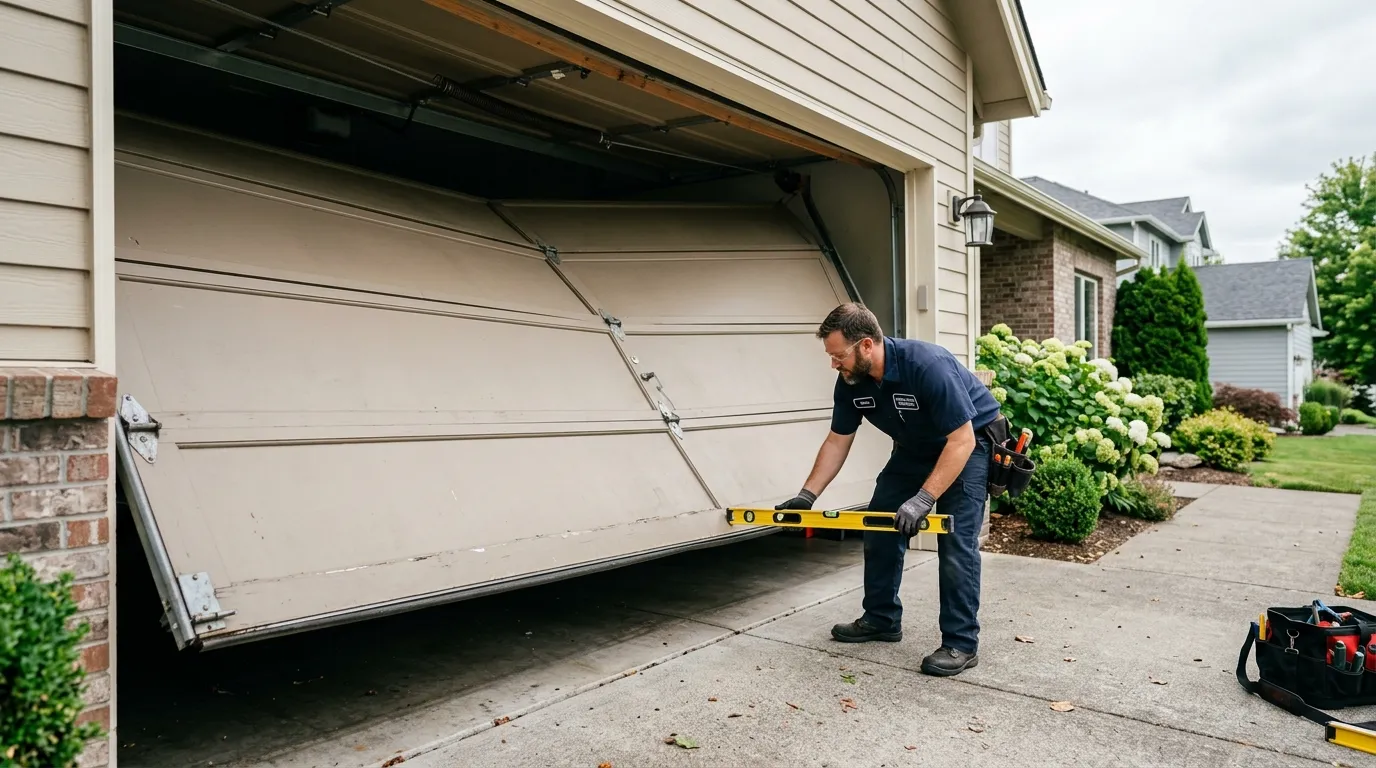
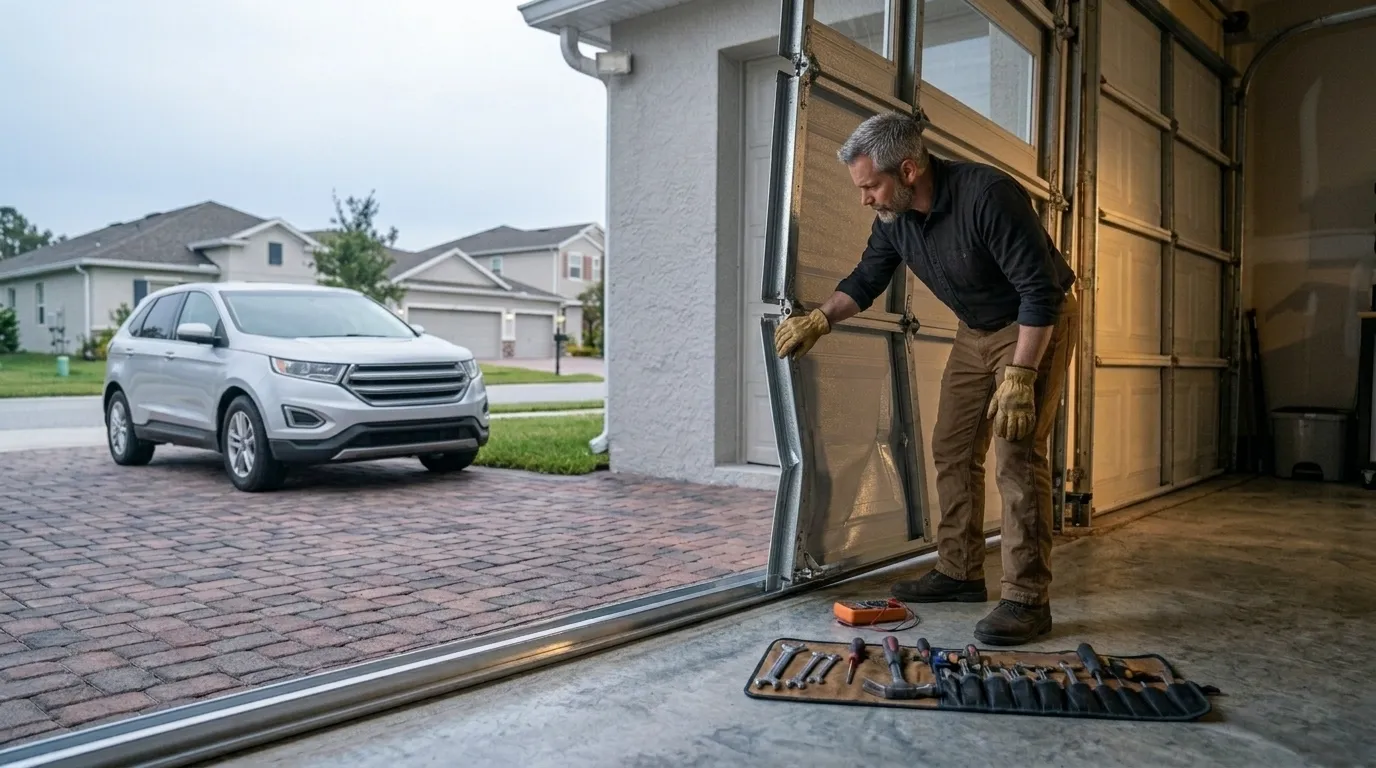
The second pattern is cable fray on doors that get cycled a lot - loading dock doors, bay doors on service businesses - where the cable's rubbing point wears through faster than the spring does. You'll see it as a door that runs unevenly, dipping on one side before it catches.
Third is opener logic boards from that era failing outright rather than degrading, which reads as a door that just stops responding to the wall switch or remote with no warning.