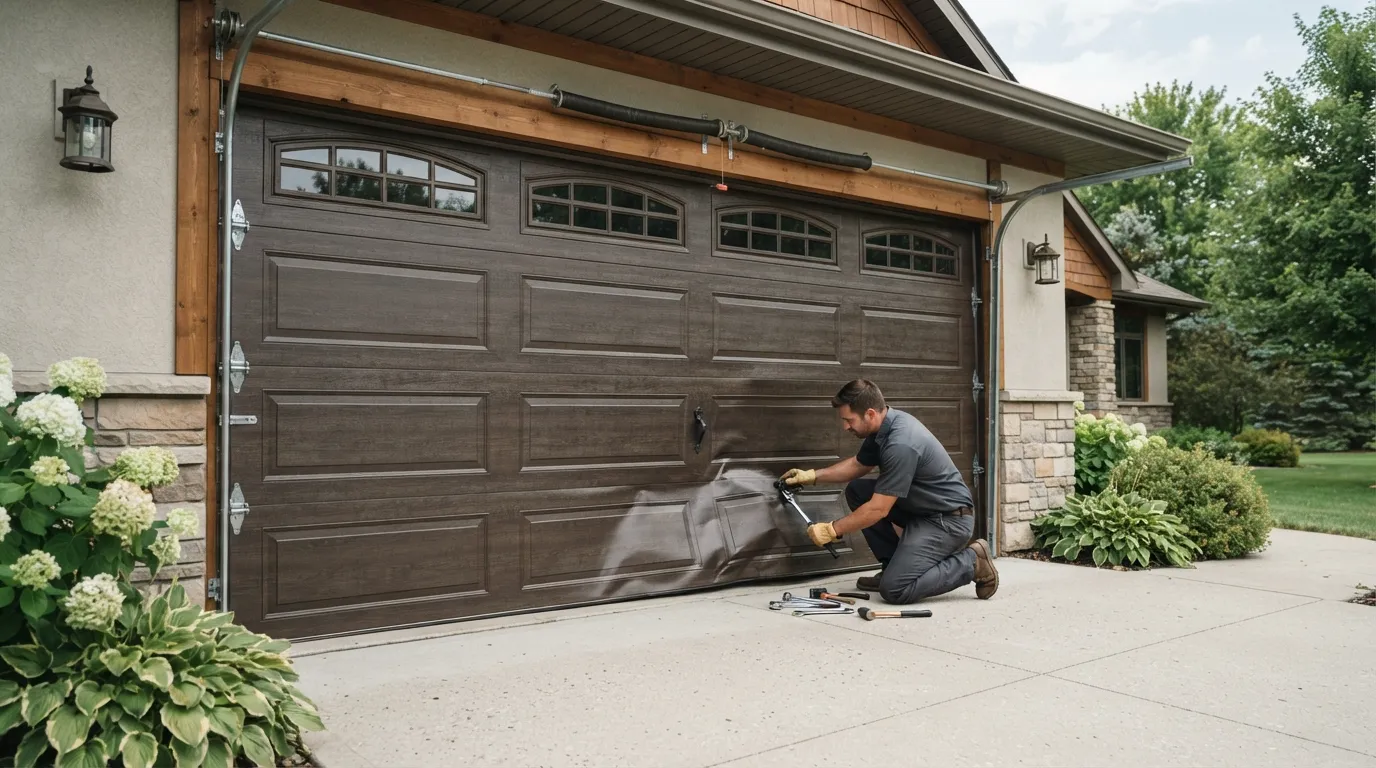
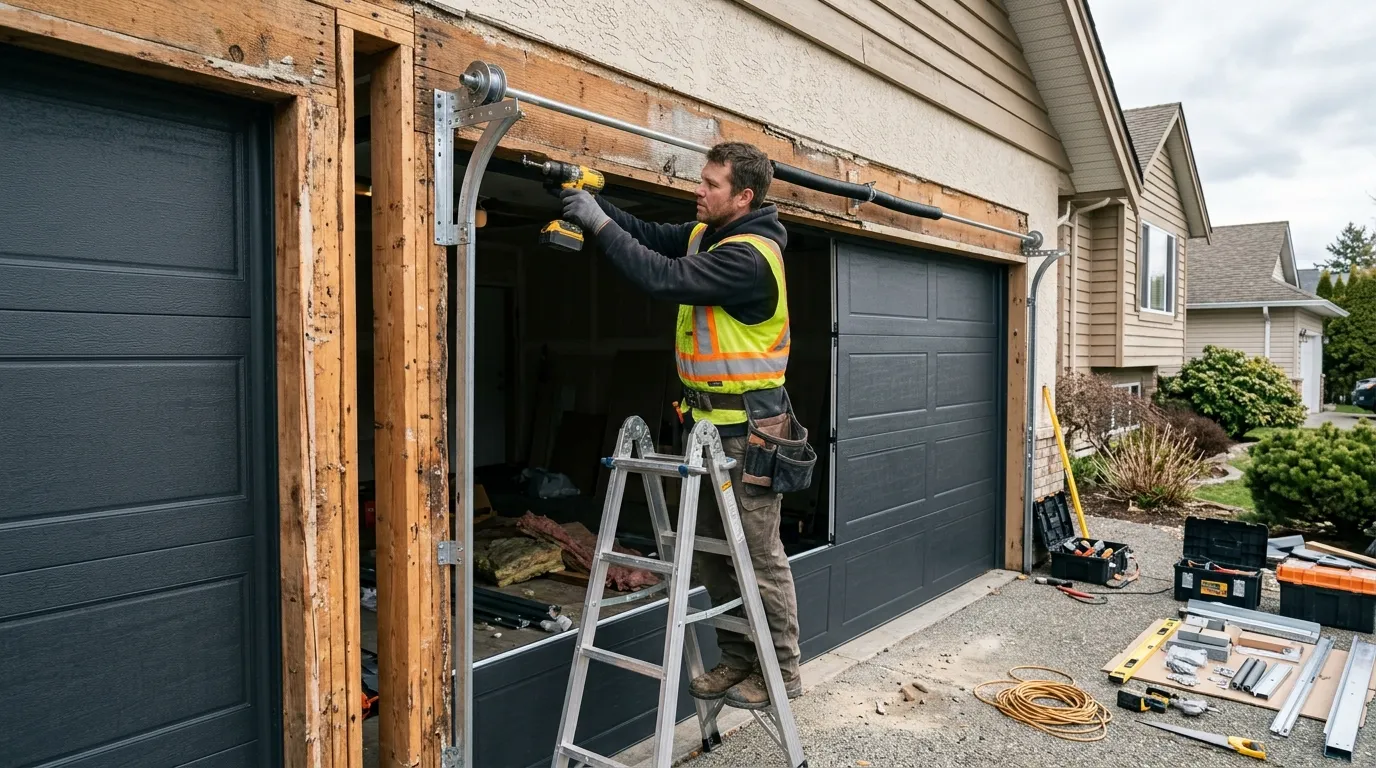
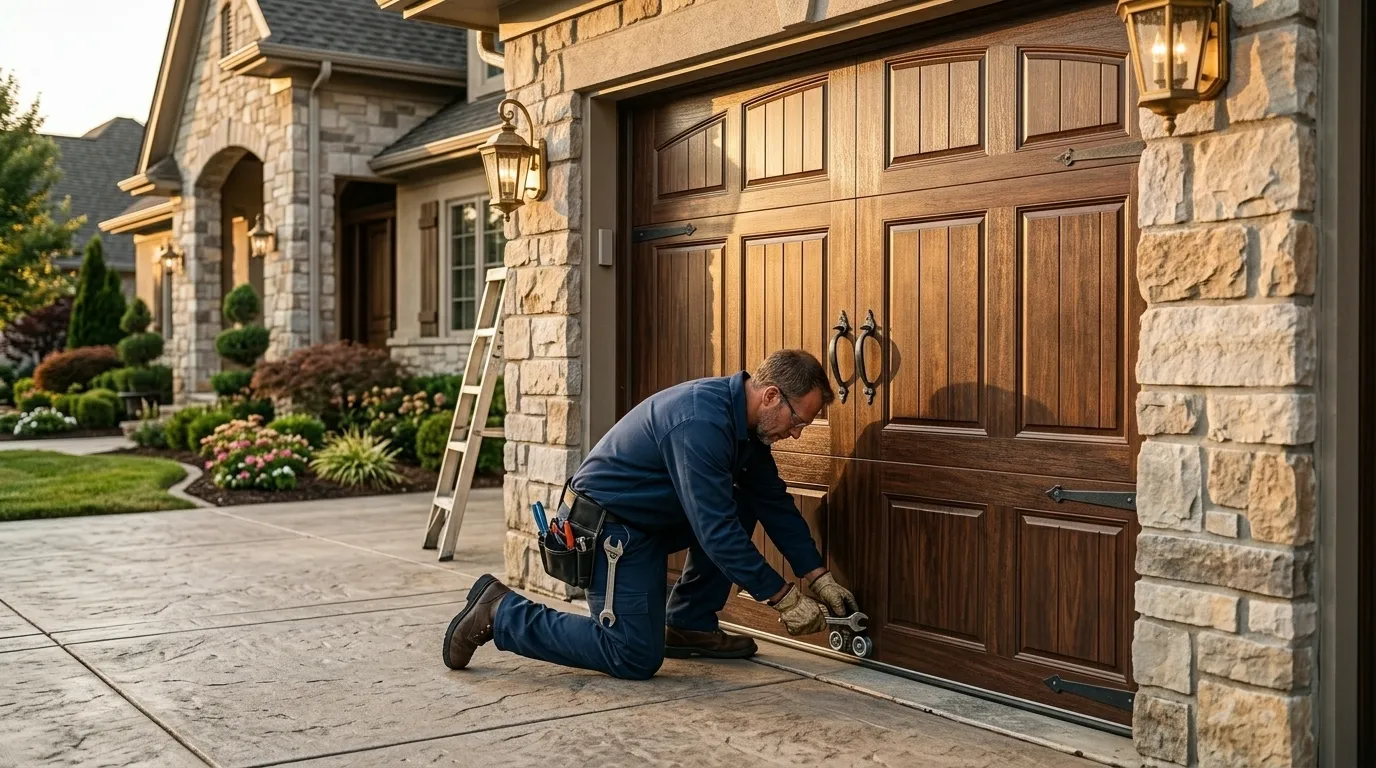
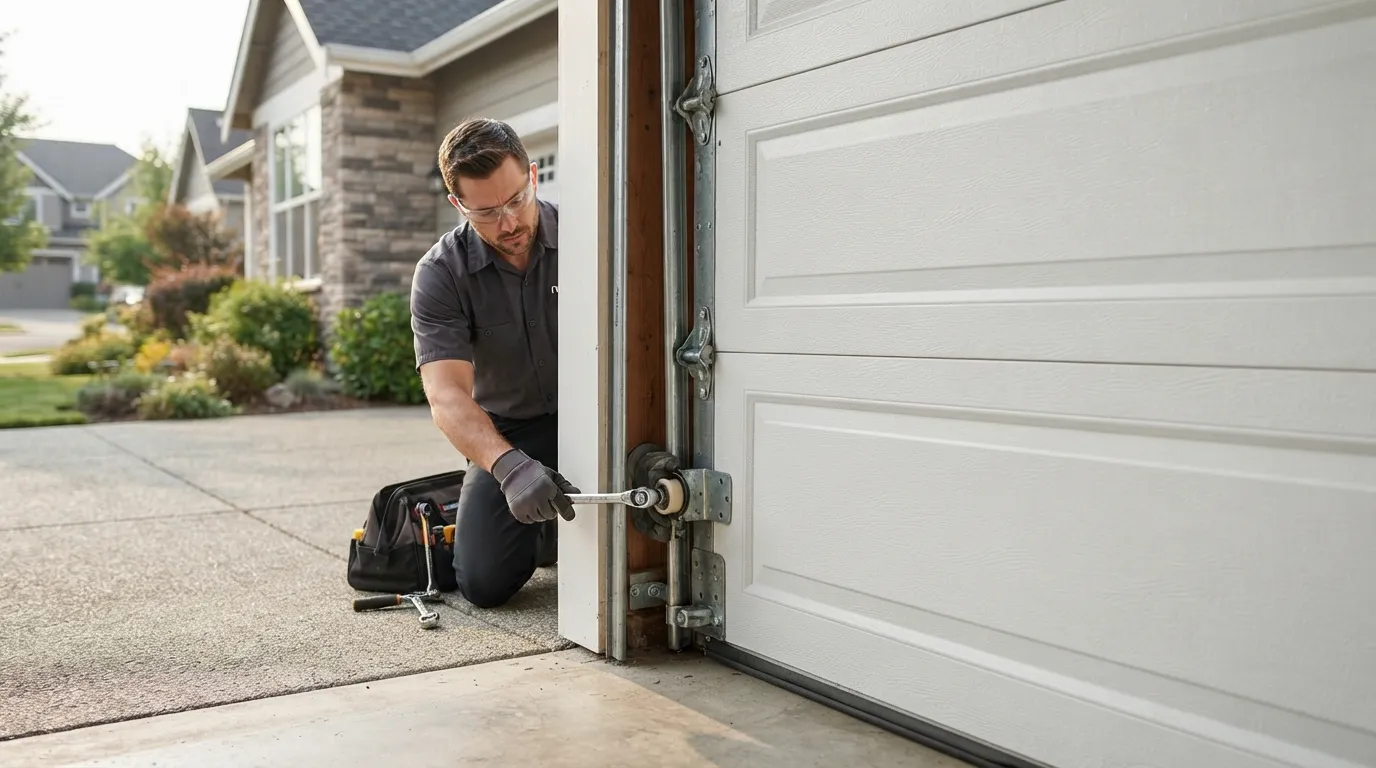
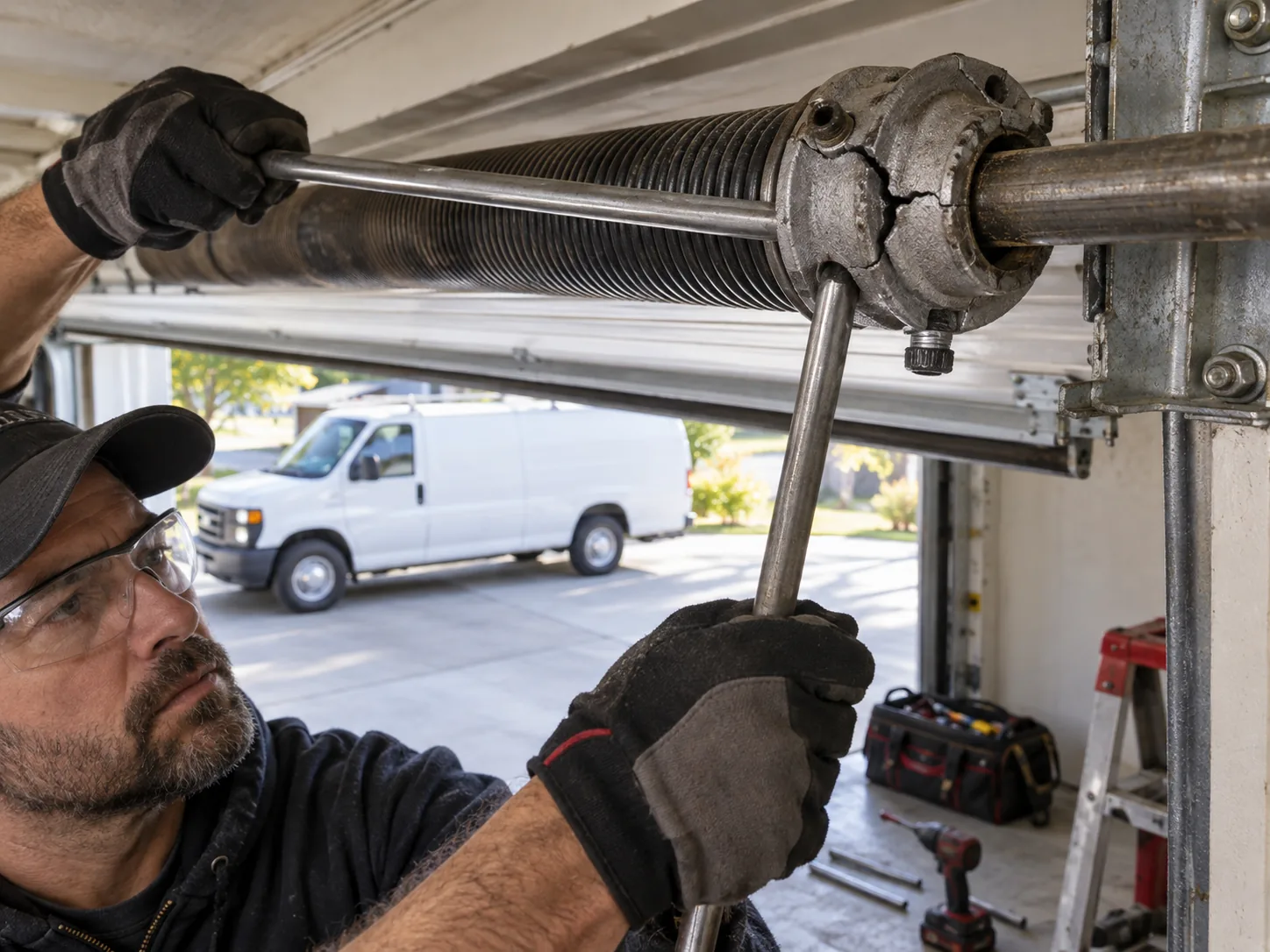
Most of the housing and commercial development across the Arlington service area went up between 1953 and 2014, with the median build year sitting around 1990. That means a lot of the retail bays, warehouses, and light-industrial units running commercial-grade doors are now 30 to 40 years into hardware that was never meant to run forever. Springs lose tension gradually, rollers wear grooves into track, and openers that were mid-tier in 1990 are asking a lot from motors and gears that have logged tens of thousands of cycles.
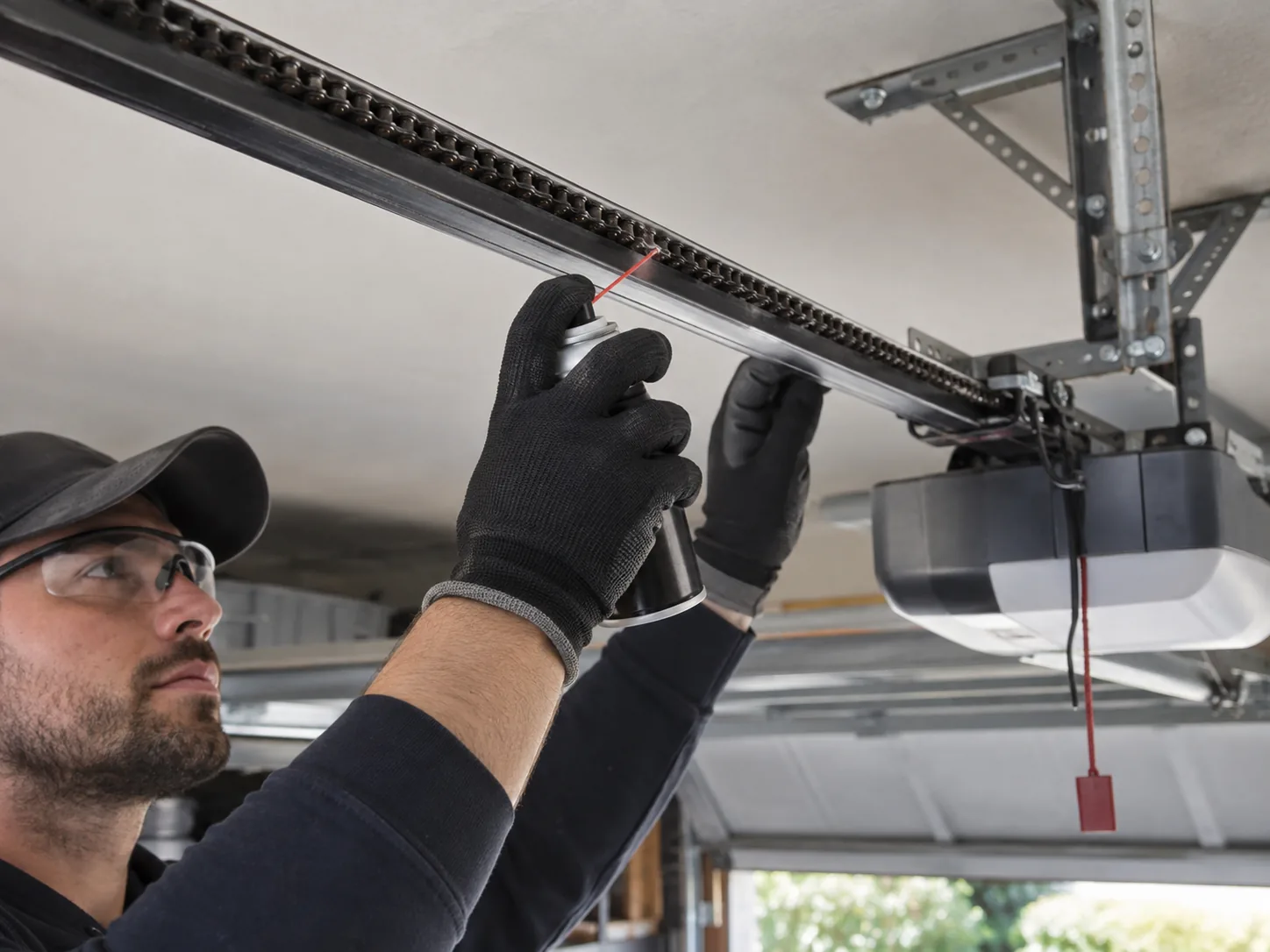
The climate band here runs moderate on heat, which sounds mild compared to true desert markets, but it still means steel expands and contracts through long summer stretches and cooler winter nights. That daily cycling loosens fasteners, dries out lubrication on rollers and hinges, and stresses torsion springs that are already carrying decades of wear. On a commercial door - heavier, wider, cycling more times a day than a residential door - that wear shows up as a stuck door blocking a loading bay rather than a squeak you can ignore.
Put those two things together - an aging building stock and steady heat cycling - and you get a service area where commercial door failures aren't random. They cluster around buildings from the same construction wave, with the same generation of hardware wearing out roughly on the same timeline.