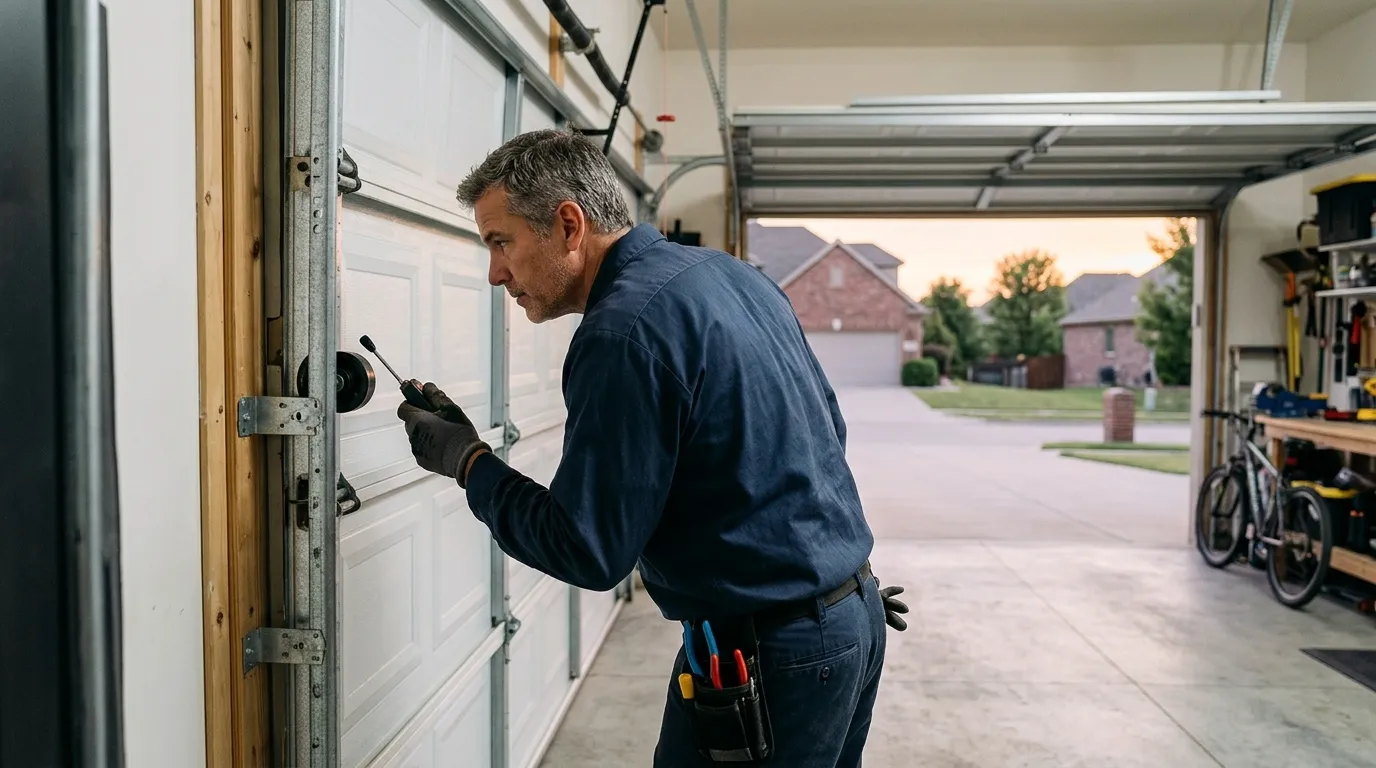
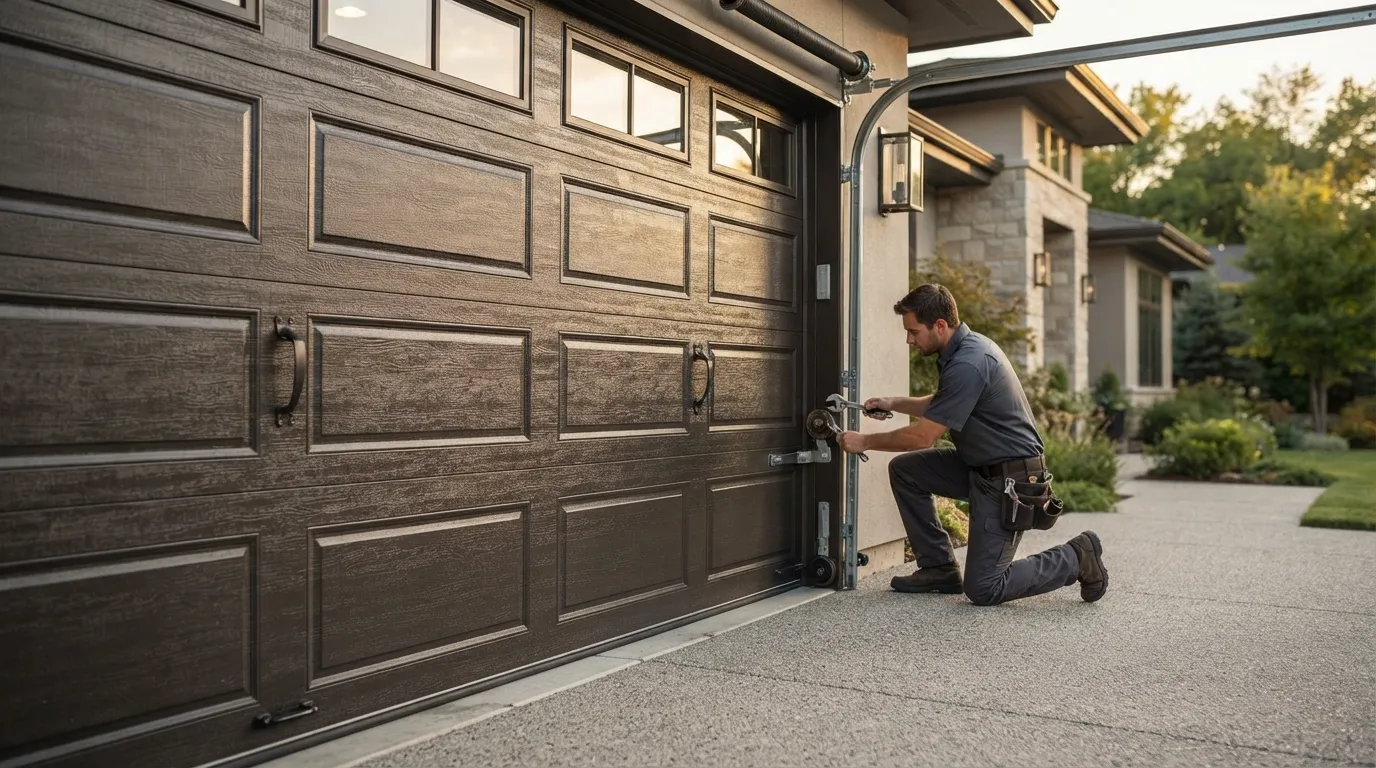
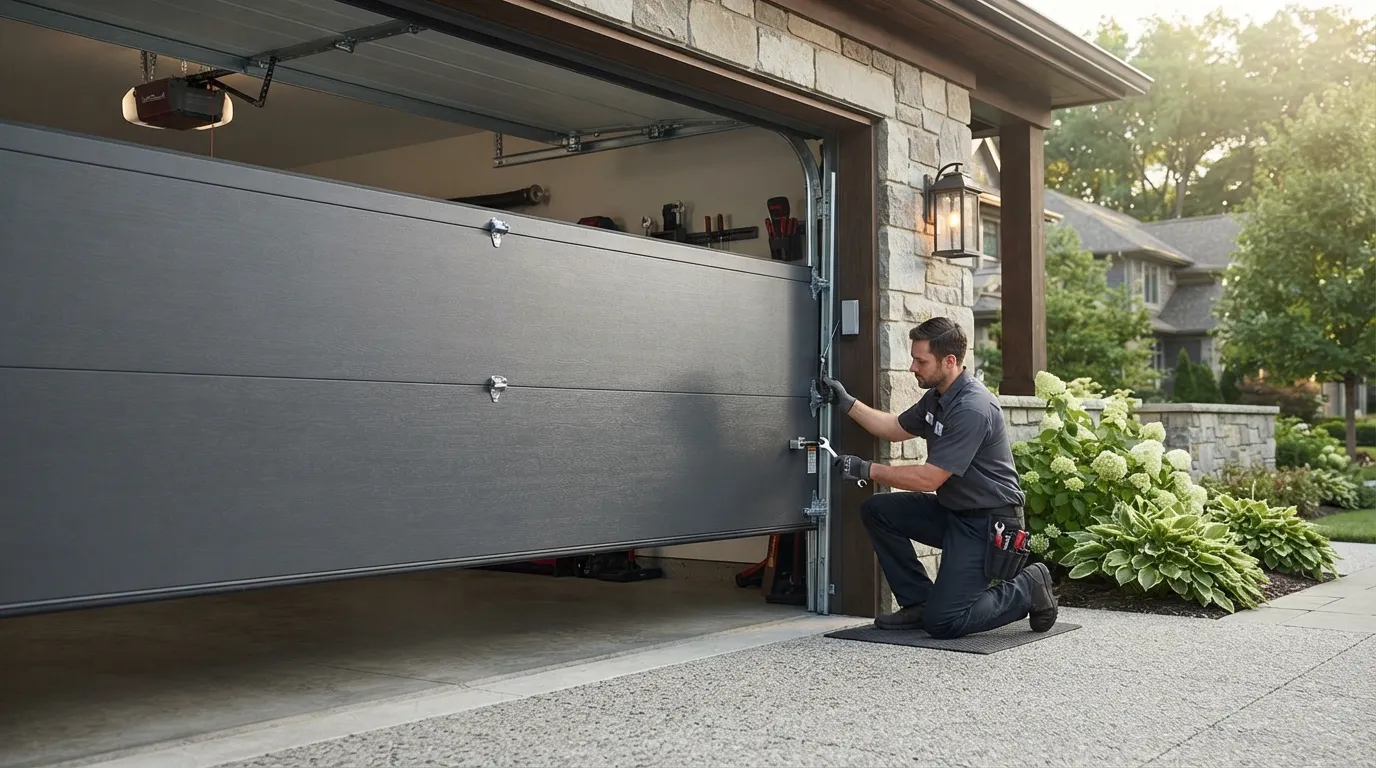
Saginaw's numbers explain the pattern more than any single story would. A median build year of 1999 puts a large share of doors and openers right in the window where original torsion springs and first-generation safety sensors are wearing out at roughly the same time - not because the door was neglected, but because both parts have a working life and they're hitting it together.
That's different from the older 1980s-90s stock that makes up most of the broader service area, where extension springs and manual-era hardware are more common. It's also different from newer construction, which would still be under its original warranty period and less likely to need a spring at all.
With median household income near $98,003, we more often get called for a full opener swap once the board or sensors fail, rather than a patch repair - the cost difference between fixing and replacing narrows enough that people choose to be done with the old unit. That's a local pattern worth knowing before you decide which route to take.